Texas Attorney General Ken Paxton is ordering multiple Texas cities to halt their newly adopted property tax increases while his office investigates whether the hikes are illegal under a new state law designed to protect taxpayers.
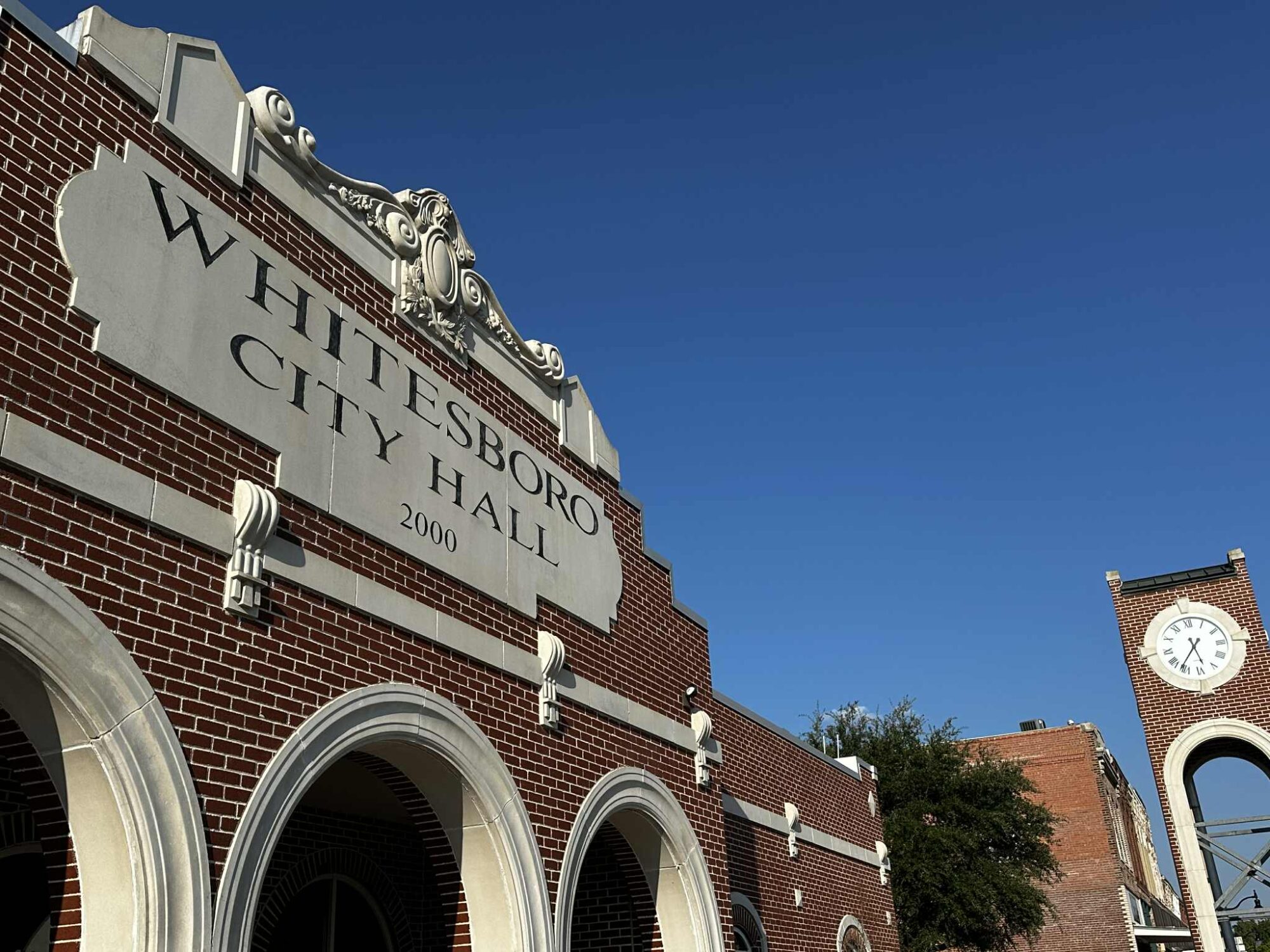
The first city in Paxton’s sights is Whitesboro, where just this week the city council approved a 61 percent tax rate increase despite warnings that the move could violate state law.
Senate Bill 1851, passed during this year’s legislative session and signed into law by Gov. Greg Abbott, prohibits cities that fail to meet annual audit deadlines from adopting a tax rate above the no-new-revenue rate, which generally keeps property tax bills flat.
On Monday, Whitesboro council members voted unanimously to adopt a rate that will raise the average homeowner’s city property tax bill by nearly $500. Paxton’s office, however, says the city failed to timely file its required financial audit and annual statement for Fiscal Year 2024, submitting the documents in June—months after the March 29 deadline.
In a letter sent to city officials, Paxton said he is formally launching an investigation to determine whether the tax rate is illegal and demanded the city pause implementation until the review is complete.
“I have grave concerns that municipalities across Texas have blatantly violated the law in an attempt to crank up people’s property taxes,” Paxton said in a statement. “My message to these cities is this: don’t mess with Texas taxpayers. Local governments must abide by the law, and I will take every step to defend the people of Texas and their hard-earned dollars.”
Whitesboro’s tax hike has drawn outrage from local residents, many of whom packed city meetings to plead for relief.
State Rep. Shelley Luther (R–Sherman), who represents the area, told Texas Scorecard she worked with the AG’s office on the issue.
“In every city council meeting, I brought the bill with me. I showed them they’re not compliant,” said Luther. “Two days ago, when I was at the meeting, I told them, ‘Don’t do it. I’m talking to the Attorney General.’ They passed it anyway.”
Luther said she was grateful for Paxton’s action.
“I don’t even have words for how proud I am of what the AG is doing. Especially with the number one issue in Texas being property taxes, everybody’s wondering, ‘well, what are you doing about it?’ A lot of people don’t understand there’s no state property tax. All we can do is try to wrangle in these small city governments.”
“He walks the walk, and he’s been that way since I’ve known him, and I’m extremely grateful to him,” she added.
Luther said she is looking at other cities in her district to ensure they are not also in violation of the law.
Whitesboro isn’t the only community under scrutiny.
Paxton also sent letters to three other cities—La Marque, Odessa, and Tom Bean—each accused of adopting property tax increases without meeting state audit requirements.
In La Marque, city leaders voted last month to raise the tax rate from $0.39 to $0.45 per $100 valuation, increasing the average homeowner’s bill by roughly $144 per year. The move came amid a dire financial crisis: the interim city manager recently revealed the city had just $1.2 million in reserves—barely enough to operate for two weeks.
Despite freezing hiring, slashing expenses, and forming a financial oversight committee, the city faces a shortfall of at least $3 million.
Paxton said La Marque filed its audit and financial statement months late, violating state law, and ordered the city not to implement its new rate while his office investigates.
Further west, the City of Odessa approved a tax rate increase on September 23 that also exceeded the no-new-revenue threshold. Paxton’s office says it could find no evidence the city filed its most recent audit and financial statement on time. Odessa’s website reportedly posted a financial report only after the vote—on September 24—indicating it was not in compliance with SB 1851 when the increase was adopted.
In response, the City of Odessa issued a press release disputing Paxton’s conclusions and questioning the applicability of SB 1851 to this year’s tax rate. City officials said they were never notified of the complaint that triggered the investigation and were not given an opportunity to respond before the attorney general’s letter was issued. They argue the law only applies to tax years beginning on or after September 1, 2025—meaning it would govern the 2026 calendar year, not the current one. Citing previous attorney general opinions and state court rulings, the city contends SB 1851 cannot be applied retroactively and maintains its 2025 rate was adopted legally.
In the small town of Tom Bean, also in Rep. Luther’s district, Paxton’s letter noted the last audit posted online was from fiscal year 2020, suggesting years of noncompliance. The attorney general is demanding each city produce audit records, financial statements, and public notices to determine whether the law was followed.
Under SB 1851, cities that fail to meet annual audit deadlines lose the authority to raise property taxes beyond the no-new-revenue rate. The law took effect September 1, meaning these newly adopted tax rates may now be subject to rollback.
Paxton says his office will use “every step” available to ensure local governments comply with state law and protect taxpayers from unlawful increases.