As Austinites prepare to vote on an external audit over all city spending, a new report highlights the city’s subsidies for self-destructive behavior.
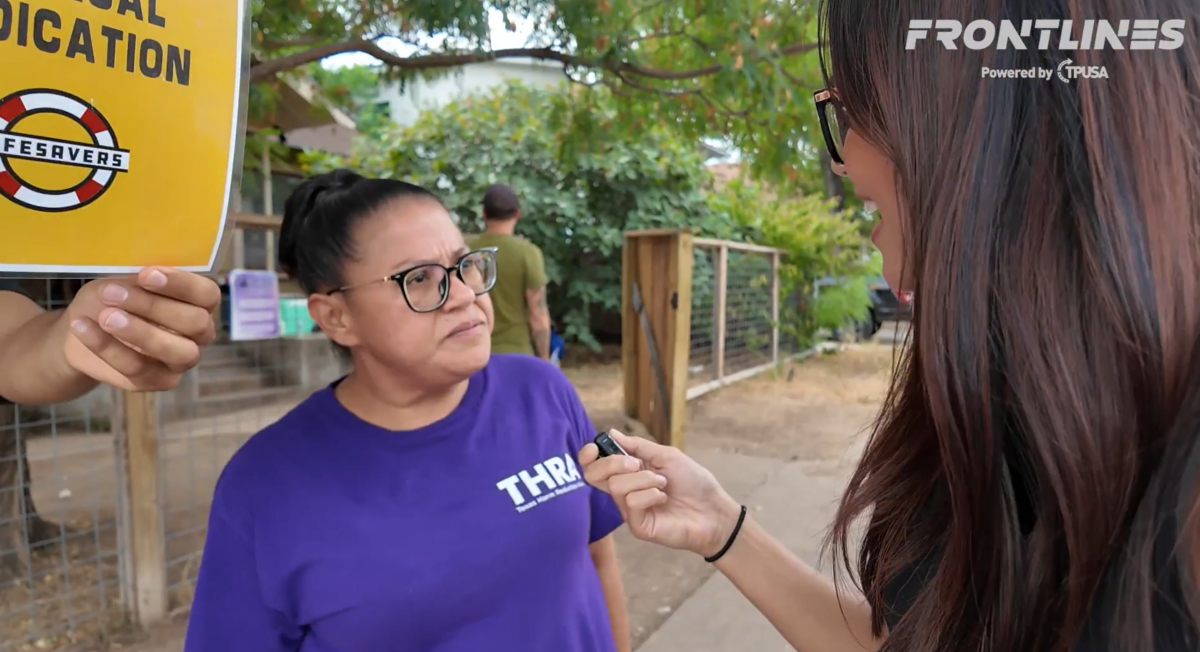
As first reported by Turning Point USA, the Texas Harm Reduction Alliance (THRA) has received nearly $6 million in funding from Austin’s municipal government since 2019. The funding is intended to cover a series of services for the city’s vagrants.

As part of those efforts, THRA distributes free paraphernalia for hard drug use and provides so-called ‘safe sites’ for drug consumption. Examples of the former include pipes for methamphetamine and syringes for heroin or similar opiates.
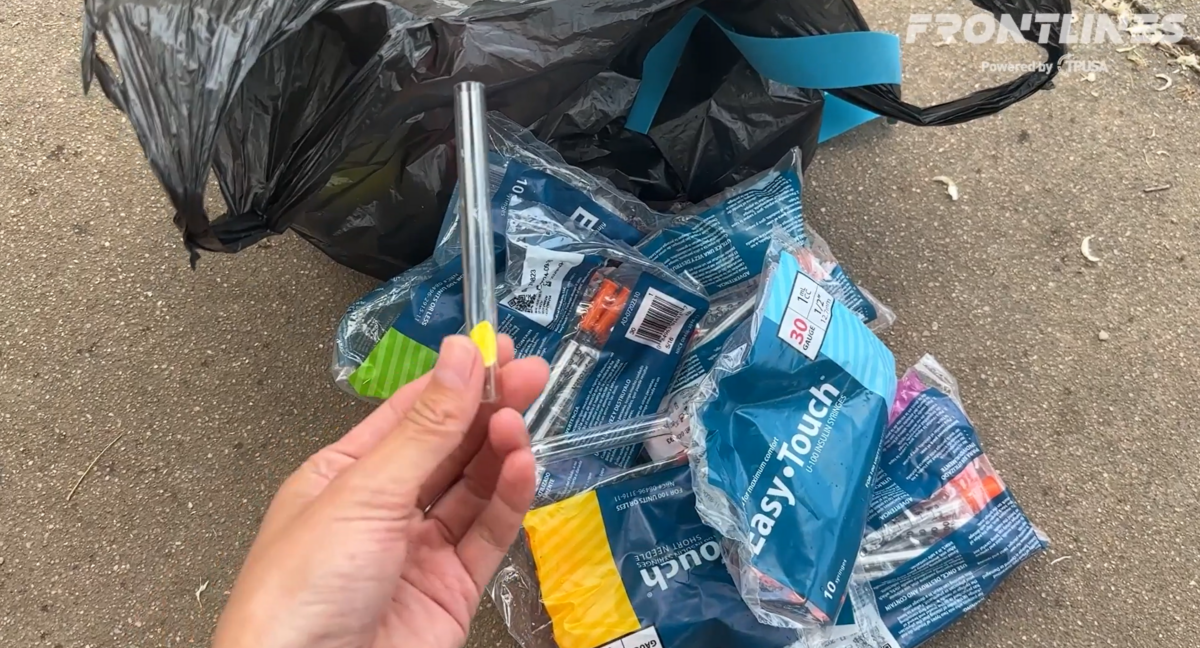

The drug paraphernalia is distributed as part of a philosophy called “harm reduction.” This philosophy asserts that, by giving addicts clean products to consume their drugs, it eliminates ancillary effects such as the spread of communicable diseases.
City Journal has criticized harm reduction as a form of “low-quality research produced by ideologically driven activist-researchers” who “have conspicuously ignored the input of former addicts, who generally oppose laissez-faire drug policies, and of non-addict community members who live near harm-reduction sites.”
Harm reduction is also described as “entrenching addiction,” rather than promoting recovery.
The Turning Point report featured interviews with owners and employees of several businesses in the city’s downtown area and east side.
Interviewees report witnessing frequent drug use, public defecation, and aggressive behavior near their storefronts. Some have had to install security cameras, steel barriers, and locks to prevent theft and break-ins.
Owners and employees state they often refrain from calling the police because they believe officers are too busy, unhelpful, or limited by current laws, resulting in repeat offenders returning shortly after being moved or arrested.
Many reported feeling discouraged and unsupported as taxpayers, noting that they have had to adjust their business operations to manage the safety risks posed to their employees, families, and customers.
A recent Texas Scorecard investigation also uncovered millions of dollars in public subsidies for groups that promote dangerous sexual activity.
The report comes as voters are poised to consider an outside audit of municipal finances.
The ballot measure, Proposition I, would amend the city charter to require independent audits of municipal finances every five years.
Additionally, if the city council wants to pursue a future tax rate election, the proposed charter amendment would require the municipal government to complete such an audit before calling the election.
The city of Austin currently conducts various internal audits. The proposed charter amendment would supplement this process with regular external reviews.
The audit referendum will appear at the bottom of the ballot, after federal, state, and local offices.
Legislation that would have abolished the Austin City Council received a committee hearing from state lawmakers in 2025 and is expected to return in 2027.