Texas lawmakers are questioning whether an explosion of data centers will overwhelm the state’s power grid—and whether Texas families will be the ones left paying the bill.
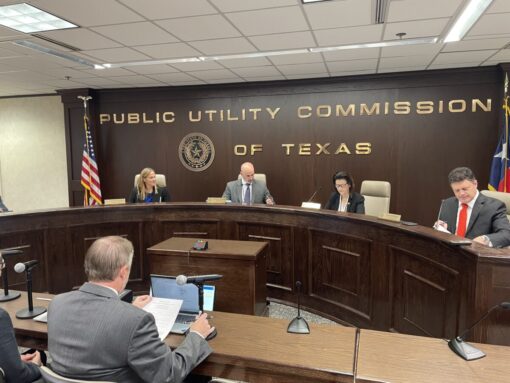
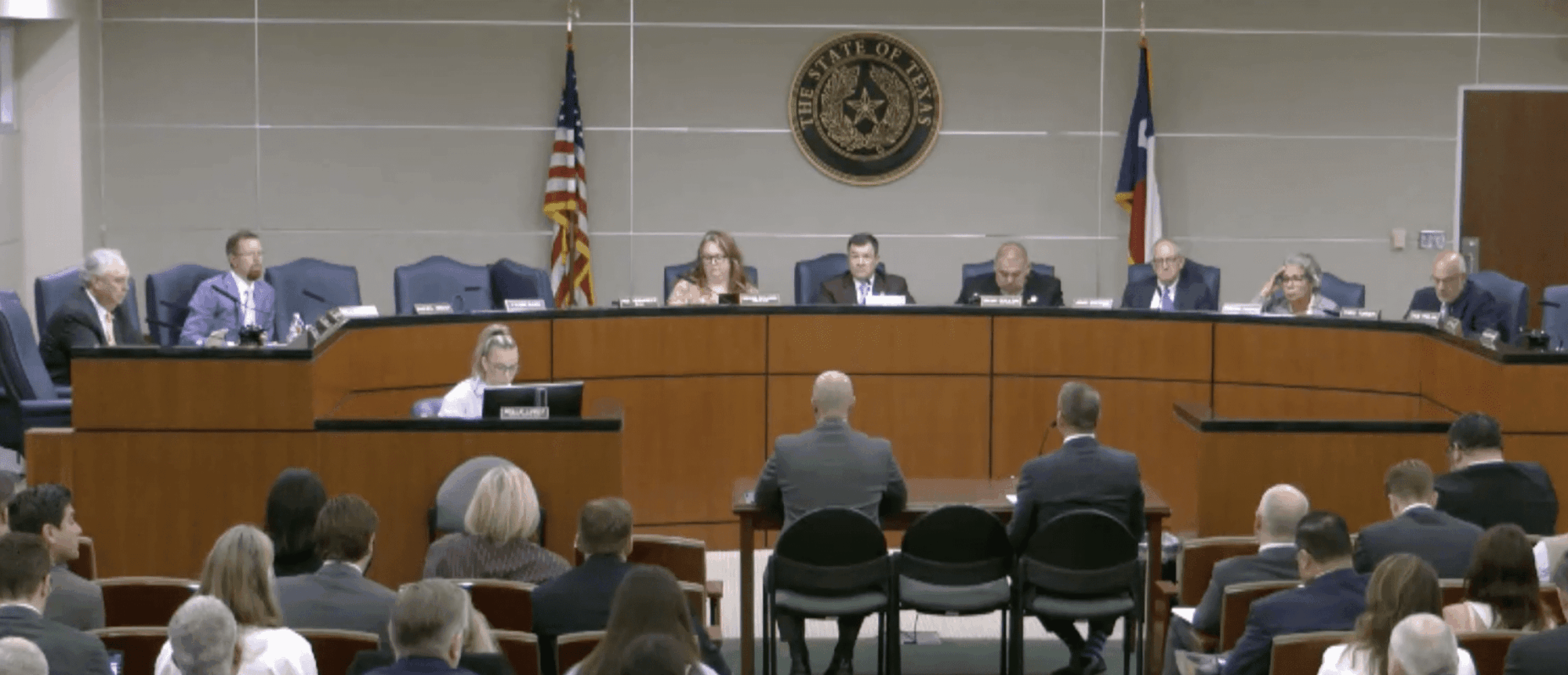
At a House State Affairs Committee hearing on Thursday, ERCOT President and CEO Pablo Vegas and Public Utility Commission of Texas Chairman Thomas Gleeson faced questions over massive new electric loads.
Vegas told lawmakers the scale of planned large loads has changed almost beyond recognition in just a few years. ERCOT is now tracking “over 410,000 megawatts” of large‑load interconnection requests—“a huge, huge change since the last time we talked about the data centers,” he said—with “over 80 percent” of that queue made up of data centers.
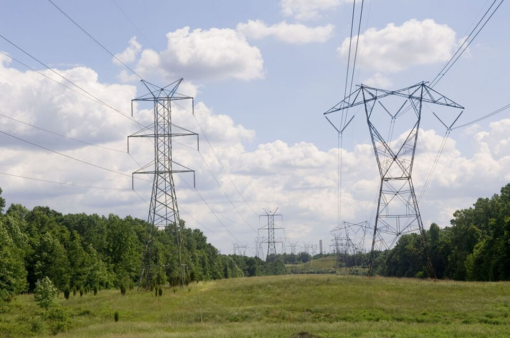
Most of those projects are trying to energize in just the next few years, with the “lion’s share” targeting 2027 and 2028, which Vegas warned is “really where the challenge of the infrastructure window is because, as you know, it takes time to develop power plants … [and] transmission lines and build those.”
Upon questioning, Vegas explained that ERCOT’s traditional one‑off study process for large loads has broken down under the flood of hyperscale data center projects. Multiple big projects in the same area were changing grid conditions mid‑stream, forcing ERCOT to “go back and restudy” and, in some cases, change transmission requirements after developers had already started investing.
To fix that, Vegas said ERCOT plans to move to an annual “batch” process that takes “all the projects at a point in time” and studies them together, then allocates specific amounts of transmission capacity out through 2030 and, for projects that meet a high bar of leases, equipment orders, and “pretty significant financial security,” “hold that capacity for them.”
Lawmakers pressed Vegas on what these new loads mean for reliability, especially during emergencies.
He pointed to legislation passed last session requiring data centers to disconnect from the grid and run on their own backup power when ERCOT declares an emergency. If a hurricane or other disaster created a “scarcity of power,” Vegas said, those rules mean data centers “have to come off of the grid and use their own backup generation … and not add to the burden of the grid,” so they are not competing with residential customers for limited electricity during a crisis.
While Vegas focused on scale and process, Gleeson zeroed in on who will pay for the billions in new transmission lines and related infrastructure needed to serve ultra-large loads.
He told House members that one of the PUCT’s central rulemakings “is really the evaluation of transmission costs,” noting that “with all the data centers coming into the state and the amount of transmission that we’re talking about being built, how we allocate those costs is going to be extremely important.”
“What I can tell you is the current construct is not adequate, and so we will move away from there,” Gleeson said, adding that regulators are considering more detailed peak‑use measures and even “new rate classes” to distinguish “traditional, large industrial loads” from “these new, ultra large loads, these hyperscale units.”
Gleeson said he sees protecting Texans as a core part of the commission’s job. With “the majority of this build‑out” driven by ultra‑large loads, he said, “it is incumbent upon us to ensure that the cost of this build up does not fall on the backs of residential ratepayers.”
When asked about President Donald Trump’s “ratepayer protection pledge,” in which major companies are urged to “pay their own way,” Gleeson said data center operators “are looking for ways to pay their share of all of these costs” and that the PUCT is “looking at all the ways that we can address that,” including changing how transmission costs are allocated and encouraging companies to bring their own generation to the table.
Beyond the numbers, House members warned that public trust is on the line as new lines and facilities snake across communities already wary of higher bills and intrusive infrastructure. Indeed, a recent poll found that Americans are increasingly against data center constructions.
Gleeson said the commission plans to hold dedicated open meetings on new transmission projects so “ordinary folks” can have “an audience with us” to raise concerns about costs, routing, and reliability.
The committee also heard from a variety of data center representatives during invited testimony. There was no public testimony.
Executives from Black Mountain, Lancium, Skybox, and the Data Center Coalition described Texas as uniquely positioned to lead the global AI build‑out because of its natural resources and regulatory climate.
A major focus of questioning was water use, especially in arid regions like West Texas.
Industry representatives sought to counter fears that data centers would take too much water by emphasizing newer cooling technologies.
Strader explained that their facilities use closed‑loop water systems, charging them once with roughly “25,000 to 30,000 gallons of water … about as much as a residential pool” and then having a “less than a 2 percent loss factor,” meaning it only takes “hundreds of gallons a year” to top it off.
Lancium’s Michael McNamara highlighted a Childress project that needs only “11,000 gallons a day for facility water” while planning to return “1 million gallons a day to Red River Water Authority” by tapping and treating deeper aquifers.
Lawmakers also probed local tax burdens, long‑term water planning, and who pays for new grid infrastructure.
Data center advocates argued that, when structured properly, their loads can lower rates and taxes for residents by expanding the tax base and utility revenues.
Dan Diorio of the Data Center Coalition pointed to other states as examples, noting that in Loudoun County, Virginia, “for every $1 in services that data centers use, they give $26 back in revenue” and that Texas projects can turn formerly tax‑exempt land into billions in taxable value.
State Rep. Richard Raymond (D–Laredo) warned the industry representatives that they need to communicate these benefits and technical details before the Legislature reconvenes: “What I’ve seen here today is … you all need to do a better job of getting out there and informing” the public.