Texas’ Acting Comptroller Kelly Hancock has requested an expedited legal opinion from Attorney General Ken Paxton on whether certain private schools may be barred from participating in the state’s new school choice program due to potential ties to terrorist organizations or foreign adversaries.
In a December 12 letter first published by the Houston Chronicle, Hancock said his office identified “significant legal and taxpayer protection concerns” involving some schools that would otherwise qualify for the school choice program created by Senate Bill 2.
The Texas Education Freedom Accounts allow families to use taxpayer-funded education accounts to pay for private school tuition, homeschooling expenses, and other educational services—up to $10,000 per student per year.
According to the request, some prospective TEFA applicants are accredited through Cognia, a Texas Private School Accreditation Commission-approved accrediting agency, but operate at addresses that have hosted publicly advertised events organized by the Council on American-Islamic Relations.
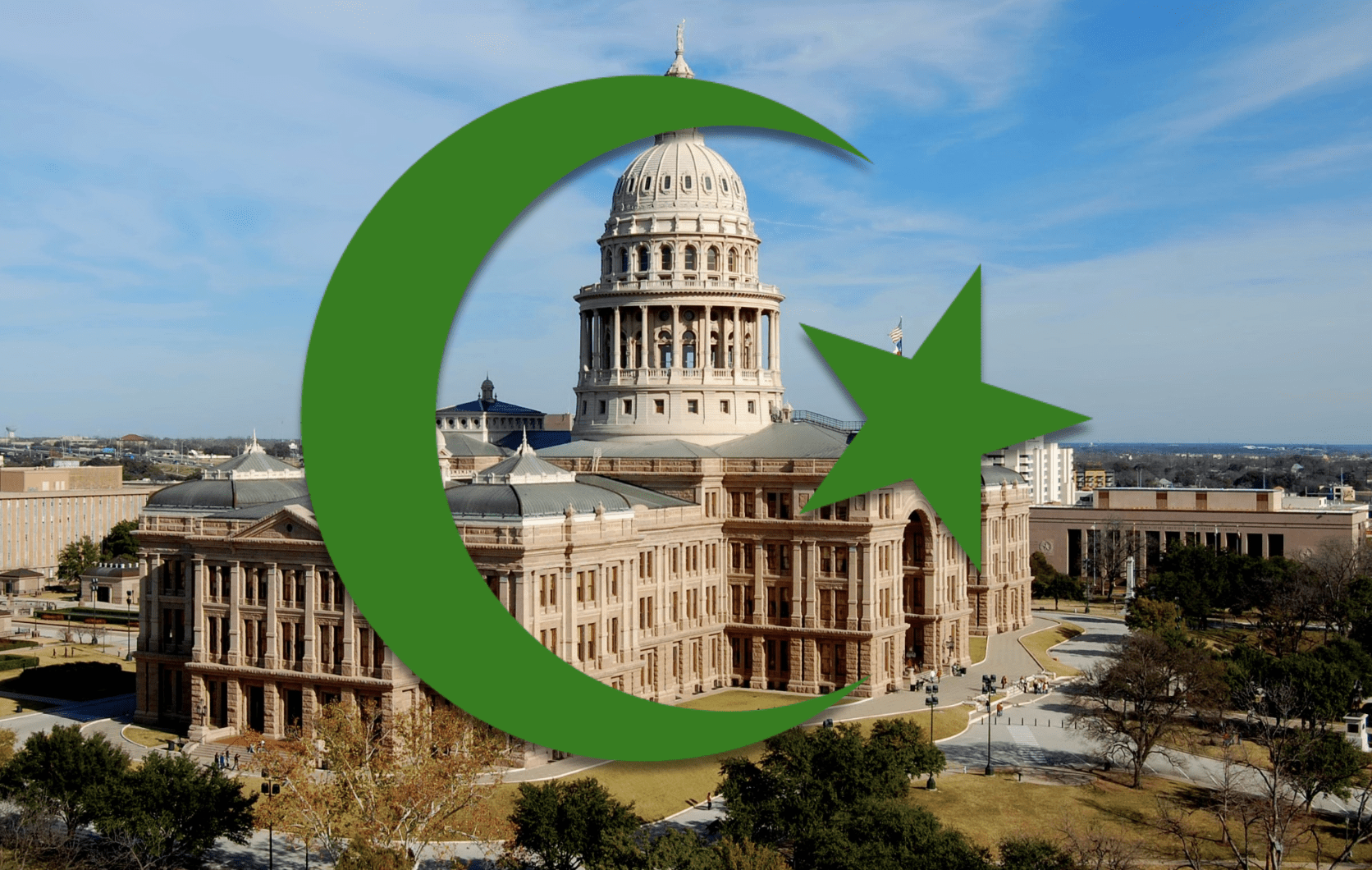
Gov. Greg Abbott designated CAIR last month as both a foreign terrorist organization and a transnational criminal organization under Texas law.
Hancock also cited concerns that another Cognia-accredited school may be owned or controlled by a holding group linked to individuals associated with the Chinese communist government, potentially implicating newly enacted Texas laws restricting foreign adversary ownership, control, and financial influence.
The comptroller is asking Paxton to determine whether a private school is legally disqualified from TEFA participation if it has direct or indirect affiliations with a designated terrorist organization or if its ownership, governance, or finances are traceable to a foreign adversary.
“These determinations carry substantial statewide implications,” Hancock wrote, noting that the TEFA statute includes an “other relevant laws” provision that could bar participation unless compliance is verified.
Hancock says the request is aimed at ensuring uniform enforcement of the law while keeping the TEFA rollout on track ahead of applications opening in February for the 2026–27 school year.