As promised, the Texas Education Agency continues to launch transparency tools designed to inform parents and protect students from misconduct by school employees.
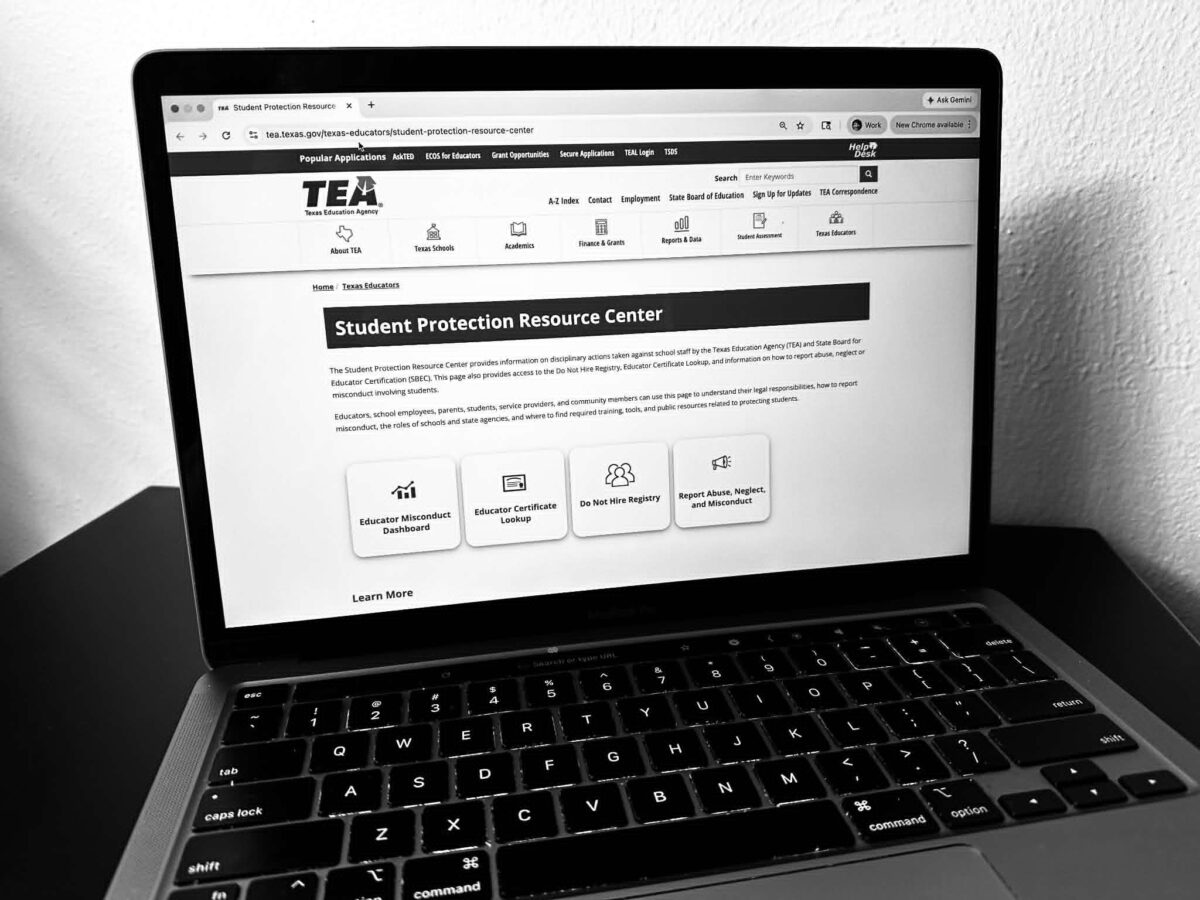
The latest tool, announced Tuesday by the TEA, is the Student Protection Resource Center—a web page that consolidates links to online educator misconduct data, student safety information, and reporting forms in a single spot.
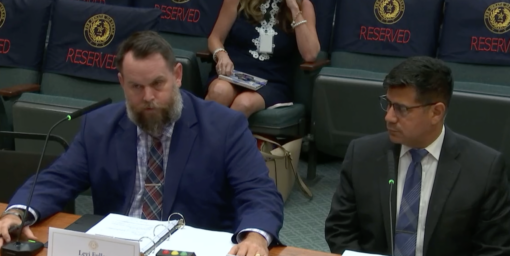
“These resources reflect our commitment to transparency and fostering trust in our schools,” said Levi Fuller, the first TEA Inspector General for Educator Misconduct. “The dashboard gives communities access to critical information, while the resource center brings together the tools and guidance school systems need to respond quickly and appropriately when concerns arise.”
Since starting the job in February, Fuller has vowed that the agency will provide more transparent reporting, stronger enforcement, and proactive prevention when it comes to protecting kids from harm at the hands of school employees.
The Student Protection Resource Center is another step in that direction.
The site includes links to the new Educator Misconduct Dashboard, the Educator Certificate Lookup tool, and TEA’s Do Not Hire Registry.
The Educator Misconduct Dashboard, designed for parents and taxpayers, provides data on complaints made against school employees—including fingerprint-based criminal history alerts.
The dashboard also tracks the number of open investigations for each type of reportable misconduct and disciplinary actions taken by the TEA in conjunction with the State Board for Educator Certification (SBEC), the government-appointed body that oversees professional standards for Texas school teachers and administrators.
The Do Not Hire Registry is a publicly searchable database of individuals ineligible for employment in Texas public schools due to serious misconduct or criminal history. The DNHR is also where the public can see if uncertified school employees are under investigation by the TEA.
As of May 1, DNHR data is now incorporated into the Search Engine for Multi-Agency Reportable Conduct (SEMARC), a pre-screening tool designed to streamline background checks for previously reported abuse, neglect, exploitation, or other misconduct. SEMARC currently includes data from TEA and the Texas Juvenile Justice Department; the Texas Department of Family and Protective Services and the Health and Human Services Commission will be added in the coming months.
The Student Protection Resource Center also provides information on recognizing the signs of abuse—including behavioral indicators, boundary violations, and grooming behaviors—and connects families to guidance on how to report abuse, neglect, or misconduct involving students.
In addition, the site outlines required training, reporting processes, and compliance expectations for school administrators.
Educators, school employees, parents, students, service providers, and members of the public can use the resource center to better understand their legal responsibilities, how and when to report misconduct, and the roles of schools and state agencies in protecting students, according to the TEA.
State Sen. Paul Bettencourt (R–Houston), who authored bipartisan legislation behind the dashboard and resource center, said Texas parents “should not have to wonder whether someone with a history of serious sexual misconduct is being quietly moved into another classroom, cafeteria, bus route, or campus job anywhere in this state.”
“This is statewide data-driven student protection,” Bettencourt posted to Facebook on Tuesday. “SB 571 was passed to stop that old ‘pass the trash’ culture, dangerous to students, where individuals accused of serious misconduct were found moving from one school district to another without proper accountability. No more!”
Bettencourt said school officials needed “clear reporting requirements” to ensure predators are not placed around children or “quietly moved” into other Texas schools.
Now, he said, suspected child abuse must be reported within 24 hours. Principals must notify superintendents within 48 hours of becoming aware of reportable misconduct, and superintendents must report qualifying misconduct allegations to TEA or SBEC within 48 hours.
“Transparency and public trust in our education system are central to ensuring our schools can accomplish their core mission of educating the next generation,” stated Texas Education Commissioner Mike Morath, adding that the Student Protection Resource Center reflects the agency’s commitment to both the safety of students and the integrity of educators “privileged to serve in our classrooms.”
Grassroots advocacy groups applauded the rollout of the new tool.
Texas Education 911 posted to social media, “It must be crystal clear that bad actors are unwelcome in Texas Schools and NO ONE should be singing that louder than GREAT EDUCATORS.”
“This adds much needed transparency to the issue of educator misconduct,” commented Shannon Ayres, Texas education director for Citizens Defending Freedom. “Familiarize yourself with this tool and monitor it closely!”
Over the past few years, a growing number of Texas school employees have been accused of misconduct, in particular violent and sexual misconduct against students and other children.
Texas Scorecard maintains a map of known educator sexual misconduct arrests.