A caucus of Mexican American lawmakers is pushing back against a directive from Gov. Greg Abbott to freeze and scrutinize the use of H-1B visas at Texas public universities.
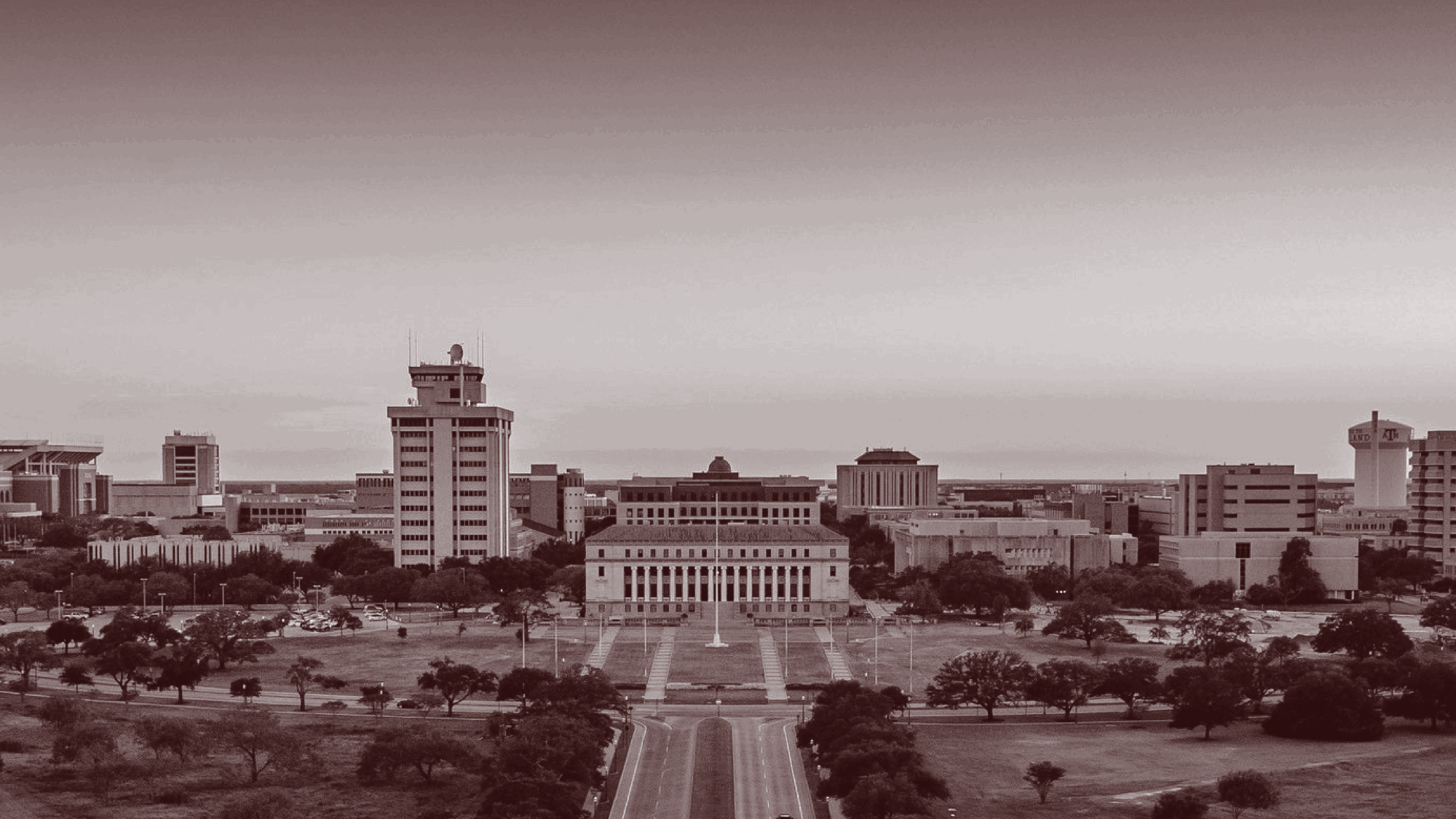
Abbott’s action followed reporting on H-1B spending records recently obtained by the Dallas Express and a public database reviewed by Sara Gonzalez, which show that Texas A&M University has routinely used taxpayer dollars to hire foreign workers.
Public records show A&M has spent $3.25 million since 2020 to sponsor more than 659 H-1B workers, outpacing other major Texas higher education institutions in the process.
Roles being filed include assistant professor of economics at $165,000, an assistant professor of agriculture at $95,000, an assistant professor of art, drama, and music at $109,000, as well as lower‑paid roles such as athletic trainer and graphic designer.
Critics argue that these roles should be filled by native born applicants.
In a statement shared on social media, the Texas Mexican American Legislative Caucus accused the governor of “demonizing” immigrant Texans and weaponizing hiring policy for political gain.
The group argues that faculty and staff on visas are already subject to federal vetting and said Abbott’s move undermines higher education at a time when many universities depend on international talent in fields like engineering, computer science, and nursing.
That dependence has long been criticized by noted mathematician Eric Weinstein, who has argued for decades that American universities’ reliance on foreign labor in graduate programs and academic hiring intentionally created an artificial “shortage” of domestic talent.
This setup has allowed institutions and the industries they intellectually subsidize to hold down wages and working conditions for scientists and scholars.
In his 1998 paper “How and Why Government, Universities, and Industry Create Domestic Labor Shortages of Scientists and High‑Tech Workers,” Weinstein set out how policies encouraging a large inflow of foreign PhD students and postdocs, coupled with visa programs like H-1B have flooded the academic labor market, depressed salaries, and discouraged U.S. students from pursuing advanced degrees, ultimately shrinking the pipeline of homegrown researchers.
In October 2025, Florida ended the use of H‑1B hiring at its public universities.