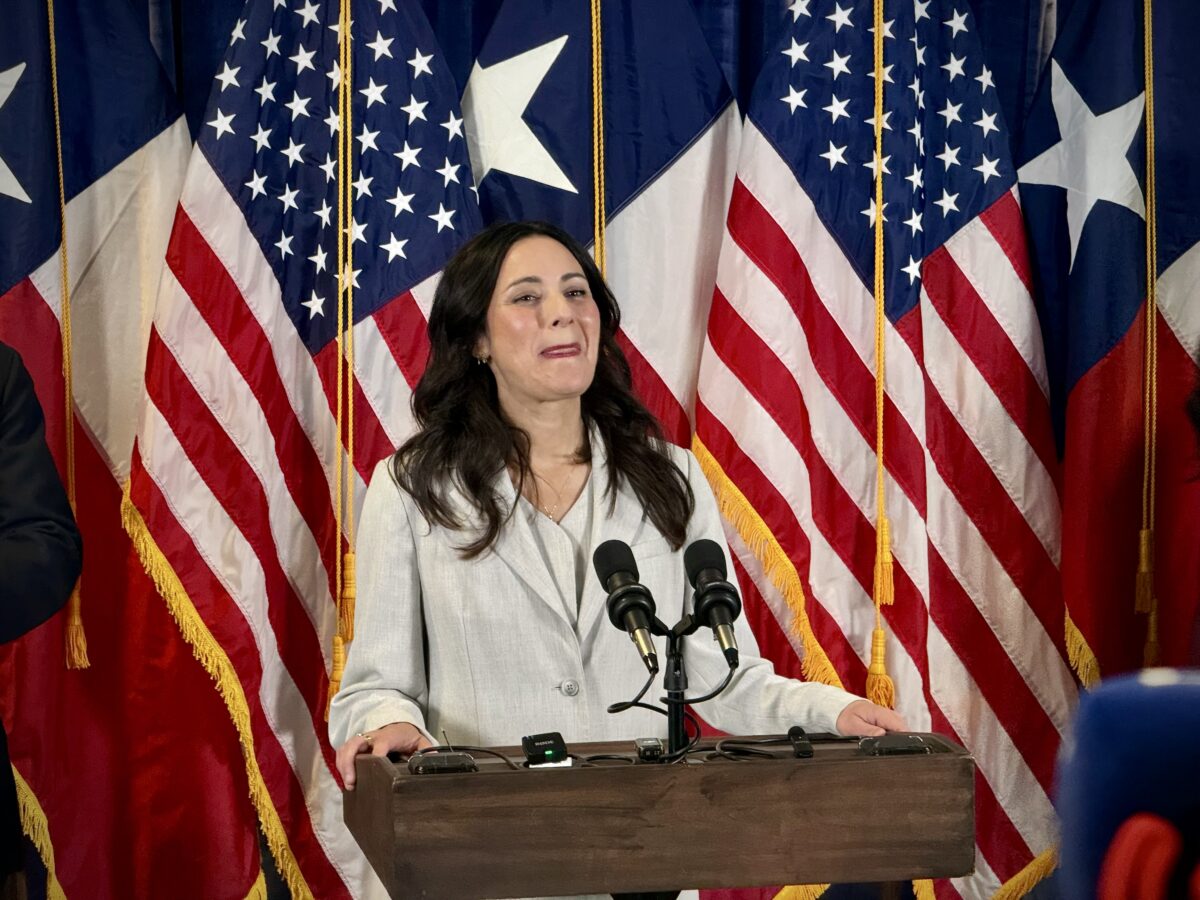
With Republicans still holding a majority in the Texas Senate, Democrat Gov.-elect Gina Hinojosa may not be able to get everything she wants this session.
However, one thing she can do on her first day in office is reverse Gov. Greg Abbott’s executive orders, including the hiring freeze on H-1B workers at state agencies and public universities.
In a recent interview with the left-wing Texas Tribune, Hinojosa was asked whether she would rescind Abbott’s January directive to freeze new H-1B visa petitions.
“Yeah, that does not make sense to me. I will tell you, I’m not doing culture wars. That’s not what I was elected to do,” Hinojosa responded.
Despite opposing the restrictions, Hinojosa acknowledged that the federal visa program has been abused.
“There are abuses when it comes to H-1Bs, absolutely,” she continued. “Companies should not be getting a bunch of tax breaks for jobs to only then use that money to hire H-1B employees. That’s wrong. That’s happening right now. I don’t support that.”
She also defended K-12 school districts’ reliance on foreign teachers, claiming that Texas schools struggle to recruit educators domestically.
“I will tell you that a lot of school districts hire H-1B teachers because we can’t get teachers here in this state who want to work for school districts anymore,” Hinojosa said.
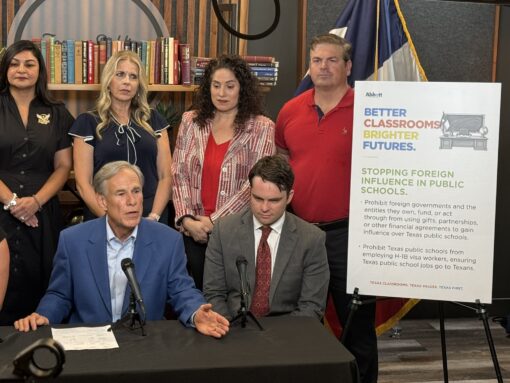
However, Abbott’s directive does not apply to local school districts.
Issued in January, the order prohibits state agencies and public institutions of higher education from filing new H-1B visa petitions without written approval from the Texas Workforce Commission. The freeze was set to remain in effect through May 31, 2027 in order to allow the legislature to pass legislation addressing the issue.
“The economy of Texas should work for the benefit of Texas workers and Texas employers,” Abbott wrote in the directive.
The order also required affected agencies and universities to disclose their use of H-1B workers, including job classifications, countries of origin, and documentation showing that qualified Texas residents were given an opportunity to apply.