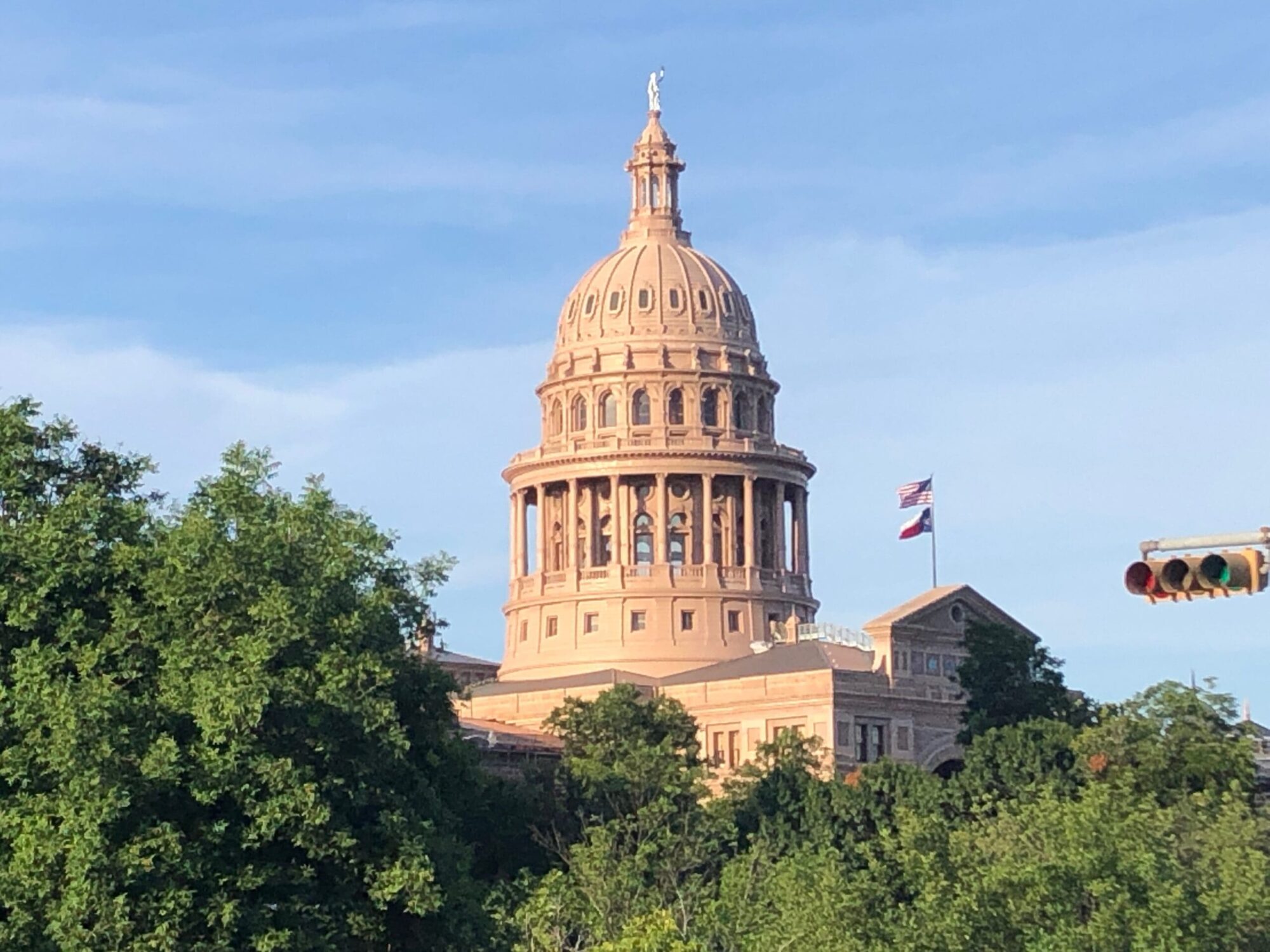
Speaker Dustin Burrows has released a sweeping set of interim charges that will shape what the Texas House studies between now and the 2027 session, touching everything from elections and education to property taxes, immigration‑related issues, and state power over local governments.
The 89th Legislature’s interim work plan assigns each standing and select committee a series of topics to monitor and study. These include tightening election integrity, building on property tax relief, growing school choice and public school accountability, bolstering border‑adjacent security and critical infrastructure, and reining in local regulation and spending.
The House Elections Committee is tasked with studying “citizenship and voting,” specifically to ensure that only U.S. citizens are able to register and vote in Texas. Lawmakers are also tasked with examining voter‑roll maintenance, and county voter‑registration systems, including offline systems.
The Public Education Committee is directed to monitor major new laws on school finance, the overhauled accountability system and testing changes, student device policies, and the new education savings account program. It must also review the “state of education” and educator misconduct, which has come under increased scrutiny following hundreds of reports of inappropriate conduct.
The Higher Education Committee is charged with examining affordability, foreign‑adversary influence and research security, and how well universities align degrees and research with workforce and national security needs.
The Ways and Means Committee is ordered to “build on the property tax relief provided by the 89th Legislature,” reviewing further rate compression, homestead exemption increases, the appraisal system, and the sustainability of state revenue backing tax cuts.
It must also scrutinize local government spending and debt to recommend ways to limit growth in local spending and improve long‑term affordability for families.
A new Select Committee on Governmental Oversight is tasked with enforcing the Texas Regulatory Consistency Act, hunting for local ordinances that conflict with state preemption, and recommending additional areas where the state should rein in local regulation. It is also reviewing education foundations, third‑party nonprofit spending of public funds, and the reach of the Texas Public Information Act.
Notably, the committee is set to “study the constitutional, statutory, fiscal, and economic implications of adding to Texas one or more contiguous counties of New Mexico” and “recommend drafts of any requisite legislation or resolutions to initiate the process.”
The Energy Resources Committee will monitor oil‑and‑gas‑related legislation and the global impacts of the Middle East and LNG disruptions on Texas energy.
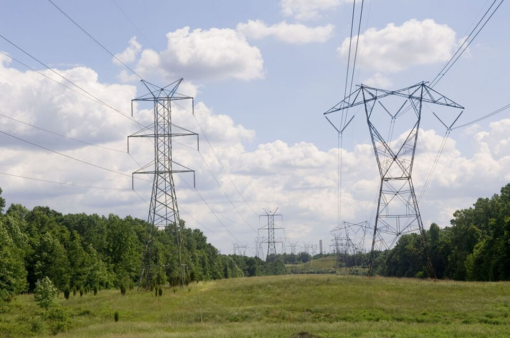
State Affairs will oversee nuclear energy development support, grid reliability measures, microgrids and distributed energy resources, data centers and their impact on grid planning, and battery‑storage safety.
Natural Resources is instructed to focus heavily on water—groundwater management and export projects, new water‑supply strategies, brackish groundwater, data center water use, and implementation of the new Texas Water Fund created last year.
While there is not a standalone “border” committee, several panels receive charges that intersect with immigration enforcement and security. The Homeland Security, Public Safety, and Veterans’ Affairs Committee is tasked with studying foreign‑adversary influence, illicit financial networks, and protecting critical infrastructure from foreign‑controlled remote‑access technologies.
The Transportation Committee is charged with evaluating foreign holders of commercial driver licenses operating in Texas and whether their presence correlates with increased traffic incidents, as well as reviewing English‑proficiency and safety standards.
State Affairs is to examine employer use of the federal H‑1B visa program to identify risks related to foreign influence, intellectual property theft, and access to sensitive systems.
The Judiciary and Civil Jurisprudence Committee is assigned to review whether foreign law, including Sharia law, is influencing Texas courts, examine limitations on liability for gender mutilation procedures on minors, and look at court‑ordered mental‑health services and their impact on parental rights.
The Human Services and Public Health committees are directed to examine child‑welfare due process and abuse registries, fraud and abuse in Medicaid and SNAP, social media and AI impacts on youth mental health, and abortion‑adjacent maternal and infant health issues.
The Land and Resource Management Committee is to examine municipal utility districts, local fees, permitting delays, and pre‑approval of residential building plans as part of a broader push on housing affordability and regulatory reform.