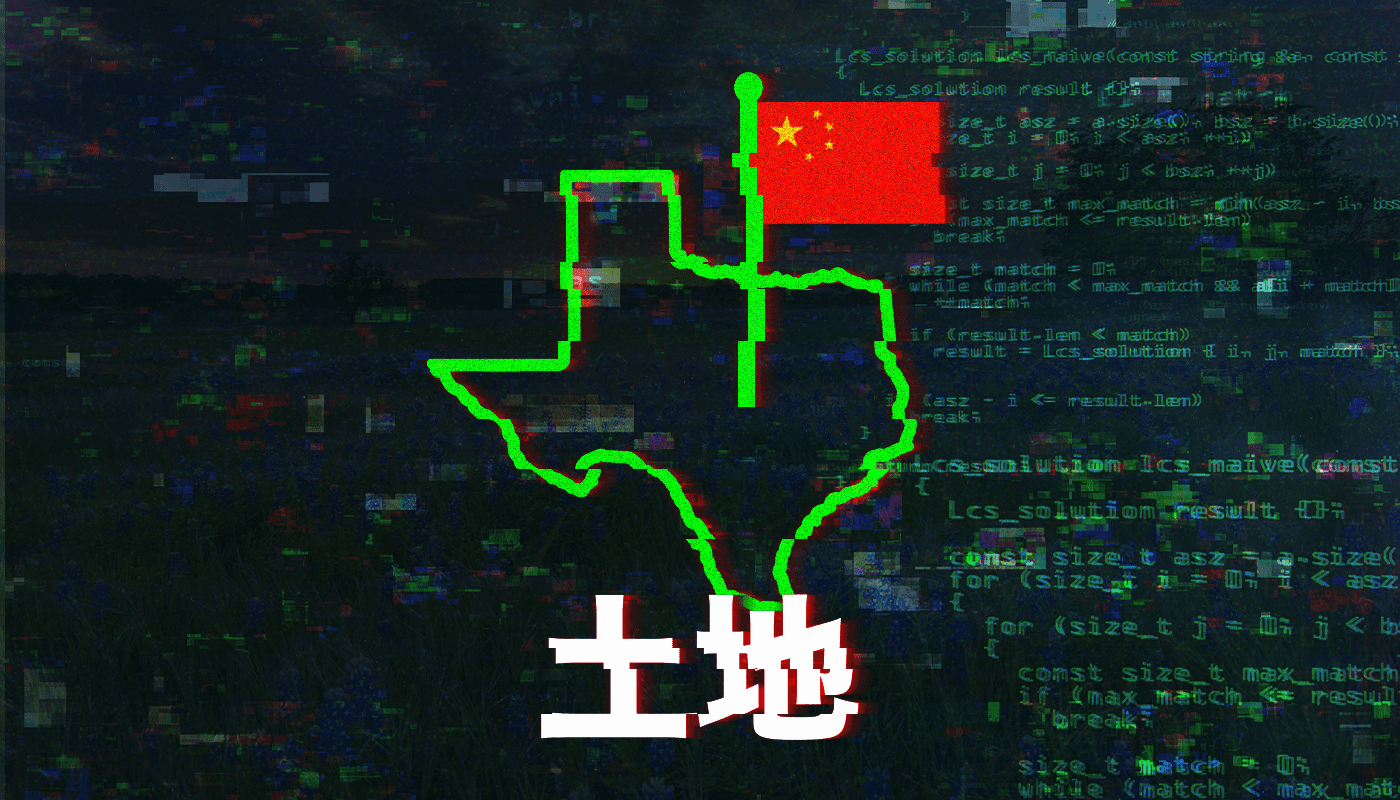
State lawmakers passed legislation this year prohibiting hostile nations—including China, Russia, Iran, and North Korea—and entities from those nations from buying Texas real estate. This move comes 10 years after a Chinese billionaire bought land in South Texas near a U.S. military installation.
Gov. Greg Abbott signed the new law, Senate Bill 17, in June, and it became effective September 1. It bans countries deemed dangerous by the U.S. director of national intelligence or the governor from buying Texas land.
Since 2015, when Chinese billionaire Sun Guangxin bought seven percent of Val Verde County’s land—30 miles from Laughlin Air Force Base—securing Texas land from hostile foreign ownership has been a key concern. National security specialist Kyle Bass warned at the time that the Chinese Communist Party aimed to enable surveillance via the purchase.
State lawmakers unanimously passed the Lone Star Infrastructure Protection Act in 2021 in response to this problem. A year later, Bass found it wasn’t being enforced.
The 2025 law was passed amid Democrat resistance after it was made a legislative priority of the Republican Party of Texas.
Shortly after the new law went into effect, the Chinese American Legal Defense Alliance, a New Jersey-based nonprofit, filed a federal lawsuit to stop it. On December 11, the Fifth Circuit affirmed a lower court’s decision that the nonprofit lacked standing to sue.
The land ban was one of a slew of defense measures state lawmakers passed to beef up security against China. The aims of these measures include protecting state infrastructure, blocking lobbying by foreign adversaries, and tightening research security at universities.
American universities remain a target of the Chinese Communist Party, as they are part of the supply chain of critical technological innovation. Hostile nations target both unclassified and classified research at these institutions. The latter starts as the former until the application of that research becomes clear. A specialist has warned that academia isn’t taking the threat seriously, noting that “research security isn’t an academic exercise.”
Research security issues have been highlighted in 2025 at Texas A&M and the University of Texas-MD Anderson. This past fall, four Texas universities allowed more than 4,000 students from China, Russia, and Iran to enroll. This is problematic, not only because the U.S. director of national intelligence identified these as hostile nations, but because China has a national intelligence law that compels citizens to engage in espionage when abroad.
Attorney General Ken Paxton has begun to address the CCP security threat. He sued two major China-based television manufacturers, among others, accusing them of secretly surveilling Texans inside their own homes. He also launched an investigation into a security camera company for potential ties with the Chinese Communist Party.
2025 was a turning point in state lawmakers’ response to the red threat. As geopolitical tensions between China and the U.S. continue to rise, ongoing vigilance will be needed to properly shield Texans from the CCP.