Records show that Oncor, the largest energy delivery company in Texas, played a pivotal role in transforming a regional reliability project into a statewide mega-expansion—one that will drive up Texans’ energy bills while benefiting the company financially.
The Electric Reliability Council of Texas (ERCOT), which oversees Texas’ energy grid, approved the TX 765-kilovolt (kV) Strategic Transmission Expansion Plan Comparison (STEP) project in August. Experts say this was done without legislative or public consent and will burden Texas’ energy prices for years to come.
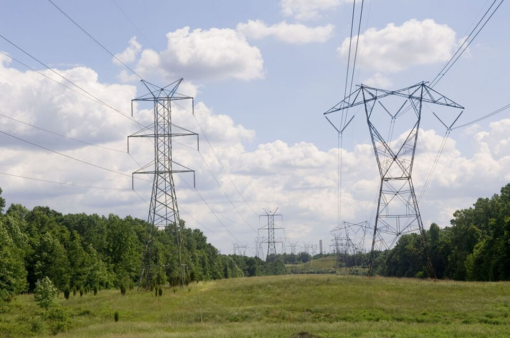
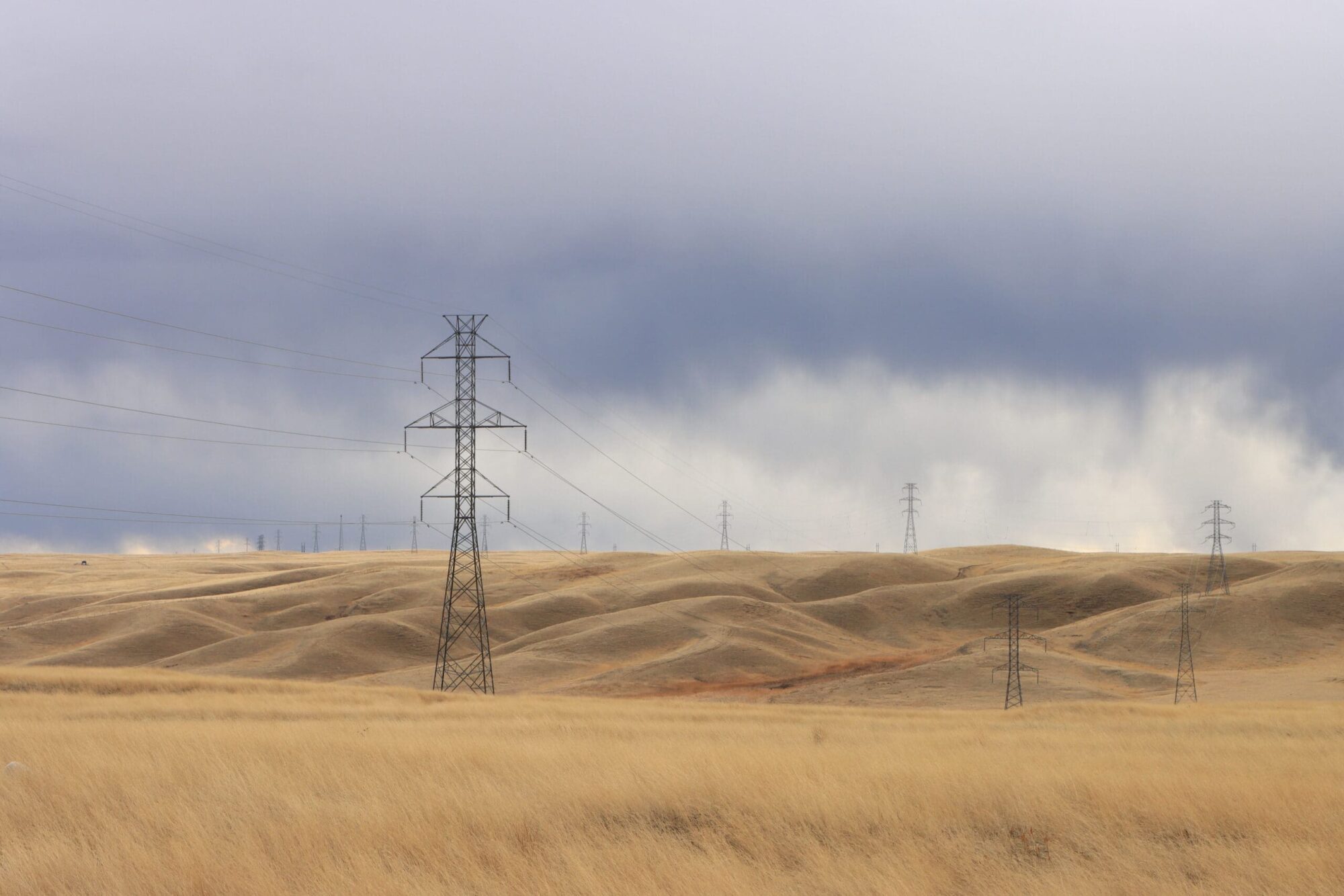
The proposed plan includes three 765kV Extra-High Voltage (EHV) electric transmission lines going into the Permian Basin area, as well as two 765kV EHV transmission line projects to connect the western and eastern loop point-to-point electrical connections.
This is expected to cost an estimated $200 per year for the average residential consumer in most parts of ERCOT.
How did this happen?
Oncor is owned by Sempra, an energy infrastructure company headquartered in San Diego, California. Sempra hired lobbyist Raymond C. Sullivan, according to a 2023 Texas Ethics Commission report.
Campaign finance reports show that Sullivan contributed to the 2022 campaign of State Rep. Charlie Geren (R–Fort Worth).
House Bill 5066, authored by Geren, passed in 2023. The bill laid the groundwork for the Permian Basin Reliability Project, with the intention of strengthening reliable interconnections in the region’s grid.
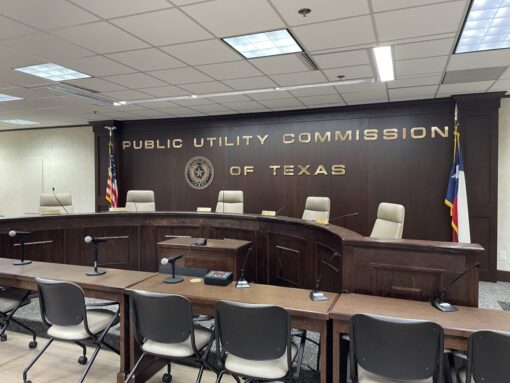
In the bill, lawmakers instructed the Public Utilities Commission of Texas (PUCT) to direct ERCOT to develop a reliability plan for the Permian Basin region.
When the PUCT asked for public comment regarding the addition of the import paths, Oncor sent a letter in August 2024 rejecting the idea of a phased approach.
“Building the common local projects to serve new load, without also building new import paths, will intensify the existing constraints,” the letter stated. “Waiting to approve new import paths will create a substantial risk that the Permian Basin region cannot be adequately served.”
In September 2024, Geren wrote a letter to the PUCT, urging ERCOT to keep the projects separate.
“The Permian Basin Reliability Plan should be kept [separate] from the larger state plan and should not be the trigger for such a state plan without robust stakeholder and legislative input,” stated Geren.
A few months later, in April 2025, Google submitted a letter to the PUCT regarding a study it sponsored that supported a further expansion from the lower cost and lower voltage import paths to higher cost and higher voltage import lines to the Permian Basin.
Google stated that it commissioned the study as a “significant and growing load within ERCOT,” and asserted the study suggests a “robust value proposition for the development of the 765-kV Permian import lines.”
As reported by Tech Xplore, Oncor supplies electricity to Google’s data centers in North Texas. These data centers consume large amounts of energy, and fall into the category of other large energy consumers known as large loads.
At the “AI for Real: Powering Tomorrow,” event, Tech Xplore reported that Oncor’s Vice President of Corporate Strategy Geoffrey Bailey said the company is “scaling up accordingly” to meet the demand of the large loads.
PUC approved the 765kV import paths on April 24, two days after Google’s letter.
In August, ERCOT released updated plans to the project to include lines in the Eastern part of the state, “as part of the overall 765-kV STEP plan,” and listed Oncor as one of the Transmission Service Providers (TSPs) for both the Eastern and Western portions of the project.
TSPs, such as Oncor, pay for the cost of the infrastructure projects but pass the burden to retail electricity providers for a profit. Retail electricity providers then raise costs for all consumers, not just for the large-load customers.
In October 2025, the PUCT announced the adoption of a new rule that requires the third party Guidehouse to monitor applications from TSPs for the TX 765kV STEP project for “schedule and cost components that may impact the timely development.”
In January 2022, Guidehouse interviewed the COO of Oncor Electric Delivery, Jim Greer, to discuss the future of electricity.
In this interview, he mentions the areas Oncor has seen growth, such as “our service area runs from the Red River, down to Austin, out to the oil patch in the Permian Basin, out to the Piney Woods of east Texas,” which is where the TX 765kV STEP lines are projected to run.
Greer specifically mentioned their goals of meeting the “Permian Basin load” demand as well as “the number of crypto loads that are coming to Texas.”
When Guidehouse asked Greer about the Biden administration infrastructure aimed at changing electrical grids in order to be supplied with renewable energy, he responded that Oncor is “not anticipating directly benefiting or utilizing those provisions,” but if the bill “spurs additional renewable generation or even more traditional generation, that will have an impact on us.”
ERCOT mentioned one of the benefits of the TX 765-kV STEP plan is that “higher transfer capability could also provide a greater range of siting options for both Generation Resources and large loads,” which would benefit Oncor’s profits, according to the statements made in the 2022 interview.