Planned Parenthood’s lawsuit challenging the Texas Heartbeat Act can continue, according to a recent ruling from the Third Court of Appeals in Austin.
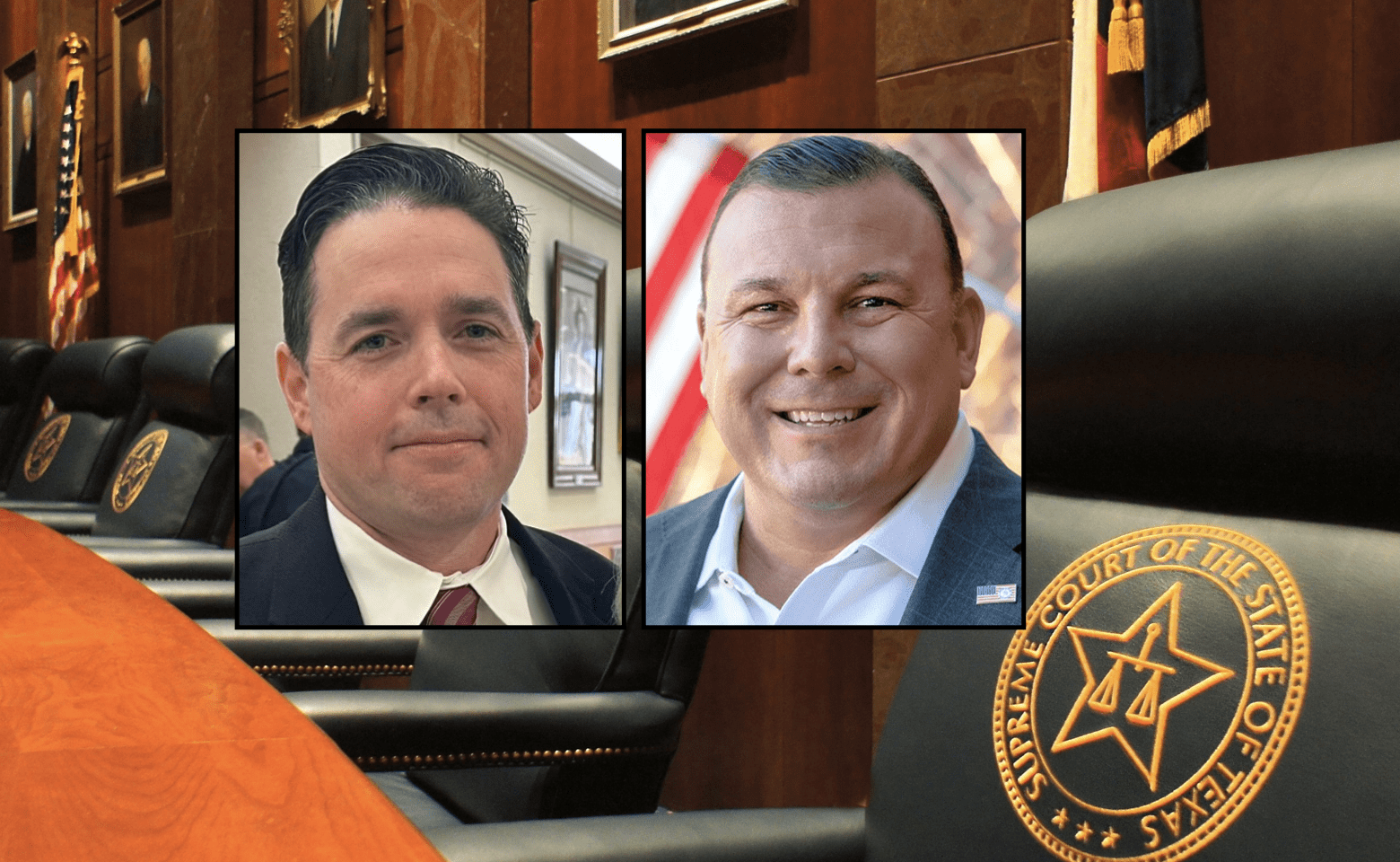
The decision—made by Democrat Justices Gisela Triana, Chari Kelly, and Rosa Theofanis—came on January 16.
Passed in 2021, the Heartbeat Act banned nearly all abortions once a heartbeat can be detected. The law is enforced through civil litigation from private citizens, rather than from state officials or through criminal sanctions.
Planned Parenthood and multiple other groups are seeking to have the Heartbeat Act declared unconstitutional, and to block the pro-life group Texas Right to Life (TXRTL) from enforcing it against them.
TXRTL threatened future legal action against those found to be in violation of the act.
The recent ruling only concerned whether plaintiffs had standing to sue, rather than the merits of the challenge to the law.
Background
The Texas Heartbeat Act is unique in its enforcement mechanism. It does not impose criminal sanctions or administrative penalties on those who violate the statute and specifically prohibits state officials from enforcing the law.
Instead, enforcement of the law is only possible through civil litigation by private citizens.
Following the passage of the Heartbeat Act, TXRTL’s website reportedly included a description of the new law, inviting “members of the public to submit evidence of statutory violations,” seemingly to collect evidence for future legal action.
In September 2021, 14 lawsuits were filed against TXRTL and its president, John Seago, challenging the constitutionality of the Heartbeat Act and seeking to block its enforcement against the plaintiffs.
The plaintiffs specifically challenged the private enforcement scheme created by the act.
They alleged that the Heartbeat Act was “purposefully and improperly designed to try to insulate it from any judicial review, usurping both the executive function by deputizing private citizens who oppose abortion to enforce the law (rather than public officials), and supplanting the judiciary’s function by depriving citizens of avenues for challenging an unconstitutional law, based solely on the content of the claims they would bring.”
“Because Texas Right to Life helped spearhead the passage and implementation of the law, Planned Parenthood and over a dozen other pro-abortion groups and individuals sued Texas Right to Life and me personally,” Seago told Texas Scorecard. “They had no standing to preemptively sue us because they feared our legitimate use of the new law.”
In response to the lawsuit, TXRTL filed a motion with the judicial panel on multi-district litigation (MDL) to consolidate the 14 cases and transfer them to a pretrial court. In October 2021, the MDL panel appointed David Peeples to serve as the pretrial judge.
TXRTL contended that the case should be dismissed because the plaintiffs lacked standing to sue, contending they could not prove that they had been—or will be—harmed by TXRTL’s threatened actions.
Additionally, TXRTL argued that the lawsuits are retaliatory under the Texas Citizens Participation Act (TCPA), a law designed to protect Texans from retaliatory lawsuits intended to silence them on matters of public concern.
TXRTL contended that the plaintiffs’ claims for declaratory and injunctive relief were “based on or … in response to … [a] constitutionally protected First Amendment right.”
Specifically, TXRTL argues that abortion and the Heartbeat Act are matters of public concern and that its efforts to provide the public with information on its website about the act and to solicit information from others about potential violations are “constitutionally protected communications.”
On December 9, 2021, the MDL court signed an order denying both Texas Right to Life’s claim that plaintiffs lack standing and its TCPA motion to dismiss. The court did not make a ruling on the merits, pending further trial.
TXRTL immediately appealed the ruling.
In November 2024, the Supreme Court of Texas asked the Third Court of Appeals to determine whether the plaintiffs have standing to maintain their suit.
Third Court of Appeals Ruling
On January 16, the Third Court of Appeals ruled that the plaintiffs have standing and may therefore proceed with their lawsuit on the merits—rejecting TXRTL’s claims and denying its TCPA motion to dismiss.
The court held that plaintiffs face a credible threat of enforcement from TXRTL based on the efforts already taken by the organization to enforce the Heartbeat Act. TXRTL was found to have reportedly been coordinating and organizing efforts to sue individuals and groups that they perceive to be violating or intending to violate the act.
“We conclude that all the appellees have sufficiently alleged in their pleadings an injury in fact—threatened litigation by Texas Right to Life—that is concrete and particularized and actual and imminent,” read the ruling.
The court also found that the TCPA does not apply to the lawsuit at hand.
Although the plaintiffs’ pleadings refer to TXRTL’s publicization of the Heartbeat Act on its website, the court reasoned that the plaintiffs only seek to block TXRTL’s efforts to enforce the act against them if it is declared unconstitutional—meaning the organization is not being retaliated against for exercising its First Amendment rights.
“It is incomprehensible that the courts have allowed this case to continue after Roe v Wade was overturned, since all of Planned Parenthood’s complaints are moot now,” said Seago. “If they are worried about Texas Heartbeat Act authorized lawsuits for committing abortions now, they are also subject to criminal penalties and a civil lawsuit from the Attorney General, which no court in this case can protect them from.”
“We will be appealing this bad ruling and continue to fight this case to uphold the Texas Heartbeat Act and our right and moral duty to stop the murder of American babies,” he continued. “This law alone has saved tens of thousands of Texans.”
If TXRTL’s appeal is not taken up by the Supreme Court of Texas, or should the Court affirm the Third Court ruling, it will be remanded to the MDL court to proceed on the merits before Judge Peeples.
Related Litigation
As previously reported, a separate challenge to the Heartbeat Act is currently before the Supreme Court of Texas.
The Lilith Fund—an abortion-funding organization that is also one of the plaintiffs in this case—sued a private citizen of Jack County who had sought to depose the organization and its deputy director for violating the act.
Sadie Weldon—the aforementioned private citizen—then filed a motion to dismiss the Lilith Fund’s lawsuit, also claiming it was retaliatory under the TCPA.
Weldon v. Lilith Fund was fully briefed and argued before the Supreme Court of Texas on January 14, and a decision is pending.
Both cases are being argued by “pro-life super lawyer” Jonathan Mitchell, a former Texas solicitor general and architect of the Heartbeat Act.
If you or anyone you know has information regarding court cases, please contact our tip line: [email protected].
No ads. No paywalls. No government grants. No corporate masters.
Just real news for real Texans.
Support Texas Scorecard to keep it that way!