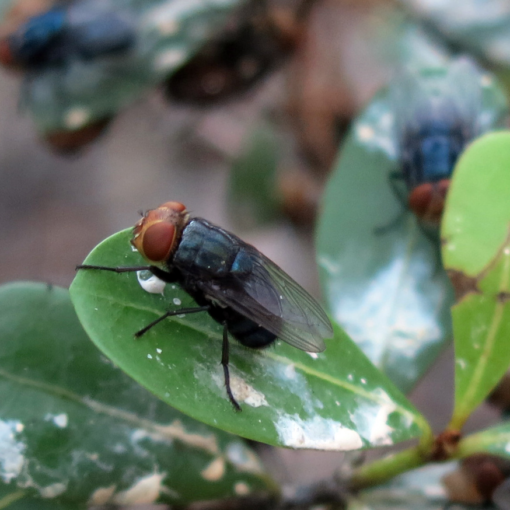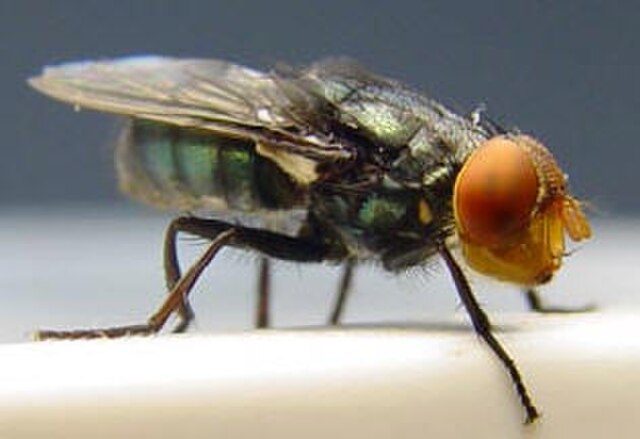
Cases of New World screwworm continue to rise as the U.S. Department of Agriculture reopens southern import ports.
Since the beginning of October, Texas has confirmed seven new cases and New Mexico has confirmed five.
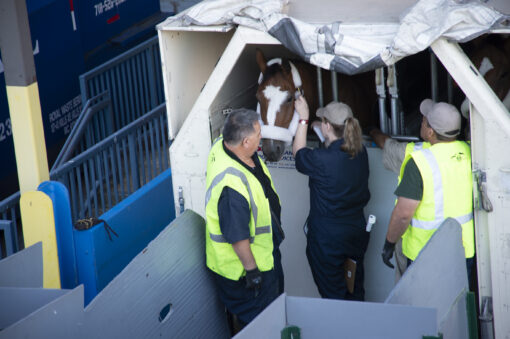
This surge follows the reopening of three southern ports to livestock imports. The port in Douglas, Arizona, opened on August 24 and the Santa Teresa, New Mexico, port opened on September 24. The USDA also announced the reopening of the southern port in Columbus, New Mexico, on Monday.
Another southern port is scheduled to reopen in Nogales, Arizona, on November 30.
Secretary of Agriculture Brooke Rollins posted on social media about the reopening in Columbus, highlighting that “strict safeguards” are still “in place to protect American livestock.”
“We will continue using every tool at our disposal to keep New World screwworm OUT of the United States and protect the livelihoods of our American ranchers,” wrote Rollins.
In September, only four cases were confirmed in the U.S.
In Texas, the first confirmed case of screwworm infestation in wildlife was announced last week. The Texas Parks & Wildlife Department (TPWD) reported that the case was confirmed in a female elk harvested by a hunter in Pecos County.
The agency noted that the “detection highlights the critical role hunters, landowners, outdoor enthusiasts and wildlife professionals play in helping detect and manage the spread of NWS.”
“We encourage all hunters and landowners to be vigilant for signs of New World screwworm while they are out in the field this season,” said Alan Cain, Wildlife Division Director. “The partnership between TPWD biologists and local hunters and landowners expedited the identification and confirmation of this new detection.”
The agency is asking hunters to watch for signs in animals such as loss of appetite, head shaking, the smell of decaying flesh, presence of fly larvae in wounds, and irritated or depressed behavior.
Hunters are also encouraged to inspect the “eyes, ears, nose, mouth, genitalia and any mucous membranes” of the animal and to check “along the body of the animal and check the feet and between the toes looking for any wounds that might have a foul smell or maggots.”
The USDA’s screwworm dashboard lists the case as “inactive.”