Texas House members received updates on state and federal efforts to contain New World screwworm infestations and combat the invasive pasture mealybug, two pests posing separate threats to Texas livestock producers, grazing land, and agricultural operations.
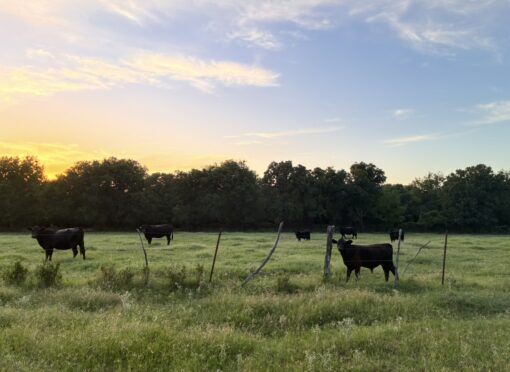
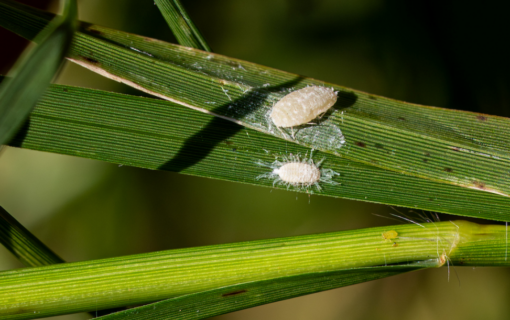
Dr. David Kerns of Texas A&M AgriLife Research updated the House Agriculture and Livestock Committee on Friday about the continued spread of the pasture mealybug, a foreign invasive pest that destroys grazing land and was recently found in South Texas.
Pasture mealybugs destroy grasses commonly used for livestock grazing and hay production. Juvenile mealybugs use their piercing, sucking mouthparts to extract a sugary substance called honeydew from the plant. As they feed, they also inject saliva which is toxic to the grass.
The pest was first discovered in 2025 after South Texas landowners reported irregular patches of grass turning brown or dying.
Now the pasture mealybug has been confirmed in more than 110 counties, according to the Texas Farm Bureau. This is in increase from August, when Texas A&M AgriLife reported that the mealybug was present in 79 counties.
Kerns told the committee that AgriLife has been working with USDA APHIS and the Texas Department of Agriculture to track the bugs’ spread and conduct research to help mitigate the pest.
As a result of this research, Kerns said that the agencies were able to identify an insecticide, Centric 40WG, and received a crisis exemption from the U.S. Environmental Protection Agency to use it to combat the pest.
House members also received an update on the status of the New World screwworm.
Dr. Lewis Dinges, Texas state veterinarian and the executive director for the Texas Animal Health Commission, gave an update on recent progress in combatting the New World screwworm, highlighting the coordinated response between federal and state agencies.
So far, according to Dinges, screwworm infestation cases have been detected across 19 counties which resulted in the establishment of 21 infested zones.
Dinges told the committee that as of October 1, more than 71,800 animals in infected zones have been inspected, which includes more than 55,000 pre-movement inspections.
Additionally, more than 15,000 animals have been surveyed by the Texas Parks and Wildlife through the utilization of game cameras. The USDA Wildlife Service has also assisted in wildlife surveillance and has documented “more than 127,000 animal observations across 136 species.”
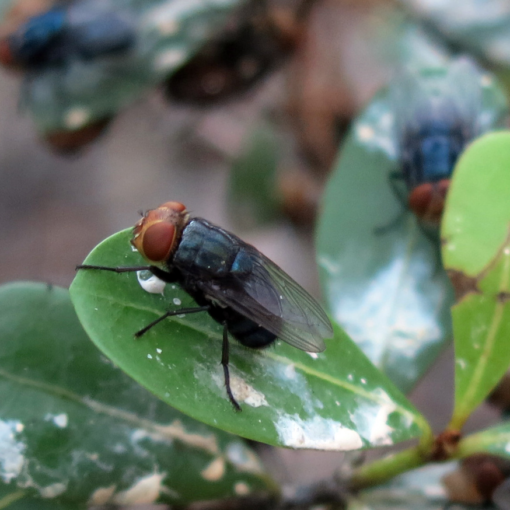
Dinges noted that since February, more than “1.39 billion sterile flies have been released in Texas” and in September the first screwworm fly was caught in a trap in Brewster County.
Fly traps are used as a monitoring tool and are made out of sticky surfaces and chemical attractants to catch adult screwworm flies.
As of publication, there are only three active cases of screwworm infestation in the U.S., two of which are in Texas. The third case is in southwest New Mexico.
“None of the progress made in the New World screwworm response would have been possible without the vigilance and participation of livestock producers, veterinarians, landowners, and other members of the public,” said Dinges. “Texans have stepped up to meet this challenge by monitoring their animals, reporting suspicious wounds, complying with movement requirements and volunteering to support response efforts.”
Dinges told the committee that although the state has seen great progress in combatting the pest, it will remain a continual threat “until the pest is eradicated from Mexico.”