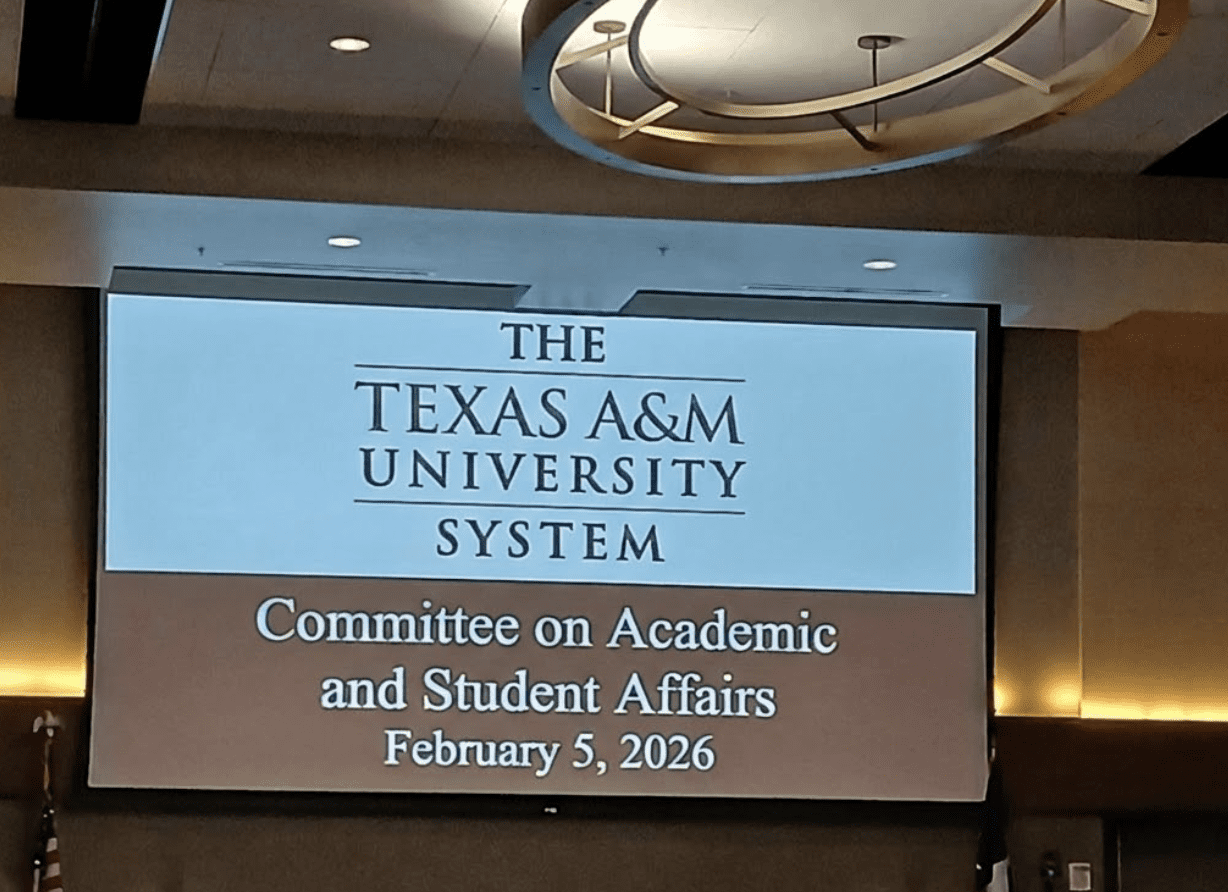
COLLEGE STATION–Texas A&M University System regents authorized individual campus committees to conduct reviews of general education requirements in order to ensure compliance with state law and system policy.
General education requirements are a set of curricula all students must complete, regardless of major. Higher education authors Jason Brennan and Phil Magness have criticized these mandates as a subsidy for economically unsustainable programs that frequently protect woke curricula from accountability.
New Review
The resolution, passed during the Board of Regents quarterly meeting, will authorize campus presidents to “establish general education review committees to assist in the board’s review process in accordance with Policy 11.06 and state law.”
Committees must report their findings to the system chancellor and the Board of Regents Committee on Academic and Student Affairs by July 1, 2026. The full board must certify these requirements by January 1, 2027.
The review in question is required under Senate Bill 37, a measure state lawmakers passed in 2025.
The new law also requires boards of regents to conduct a review of all general education curricula every five years to ensure they “are foundational and fundamental to a sound postsecondary education, are necessary to prepare students for civic and professional life; equip students for participation in the workforce and in the betterment of society; and ensure a breadth of knowledge in compliance with applicable accreditation standards.”
Earlier in the day, James Hallmark, the system’s vice chancellor for academic affairs, told the board’s academic affairs committee that he hopes to launch these reviews “as soon as possible.”
Hallmark stated that the committees will conduct their reviews between February and May.
Campus presidents must submit the reviews to the system by June 1. The system will submit them to the board a month later.
The board is expected to certify these reviews at its meeting in either August or November.
Hallmark stressed that the review under SB 37 is separate from an internal review that recently led to the abolition of Texas A&M’s Women and Gender Studies program. The latter review was intended to prohibit courses from advocating race or gender ideology.
While discussing the internal review, Regent Sam Torn stated that over 150 courses across the Texas A&M System teach Plato, rebuking a recent complaint that claimed Texas A&M-College Station censored Plato.
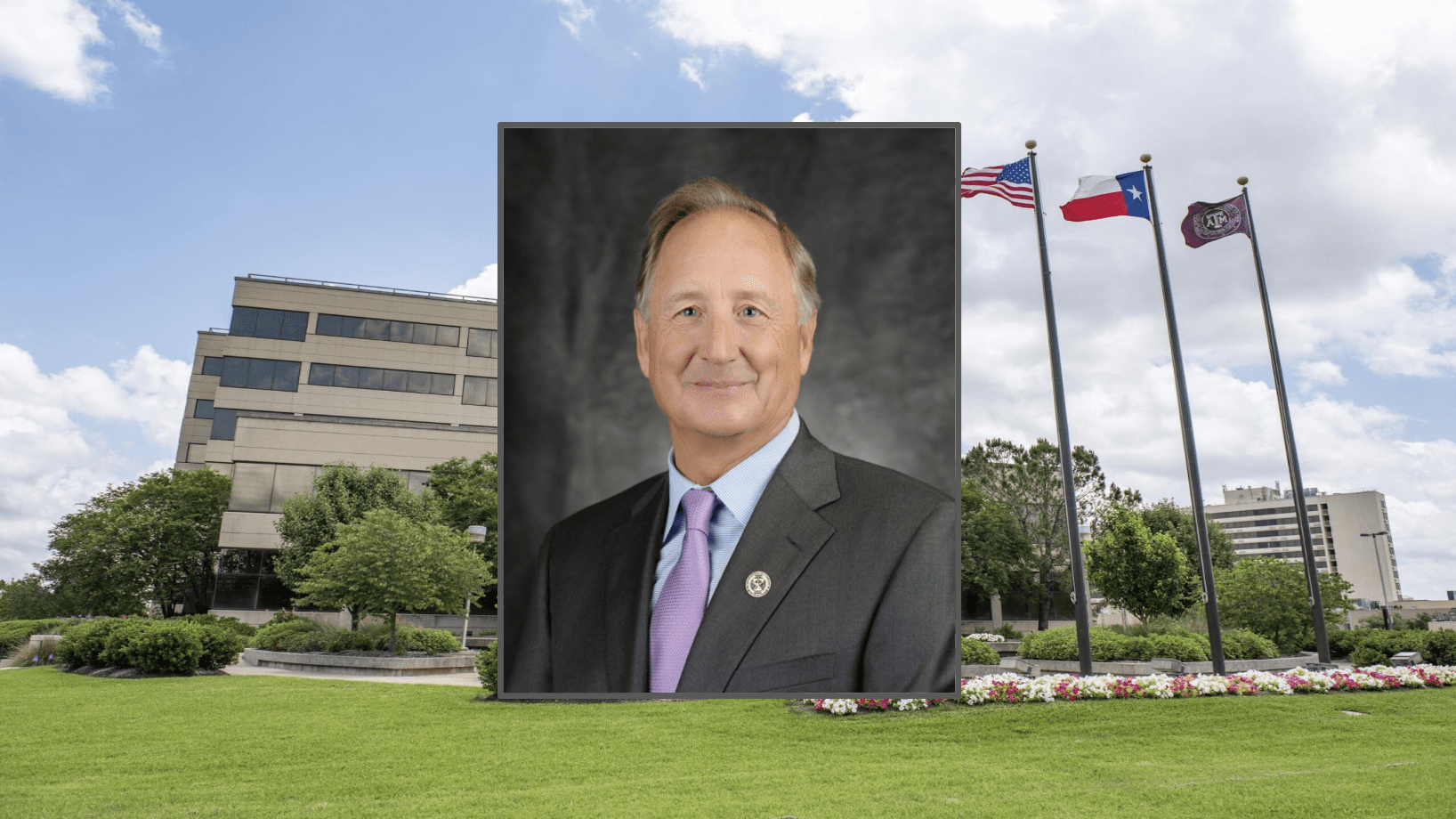
Regent Chairman Robert Albritton stated that the board would announce a permanent president of the College Station campus in “30 to 60 days.”
Other Business
During the facilities committee meeting, Regent David Badgett questioned the level of systemwide construction, but the regents ultimately approved $269 million in new capital expenditures.
Regents also approved a series of student fee increases across system campuses, including several to support university athletic departments. The presidents of campuses in Corpus, Kingsville, Texarkana, and West Texas told the finance committee these increases were necessary to cover expenses, including a series of facility expansions.
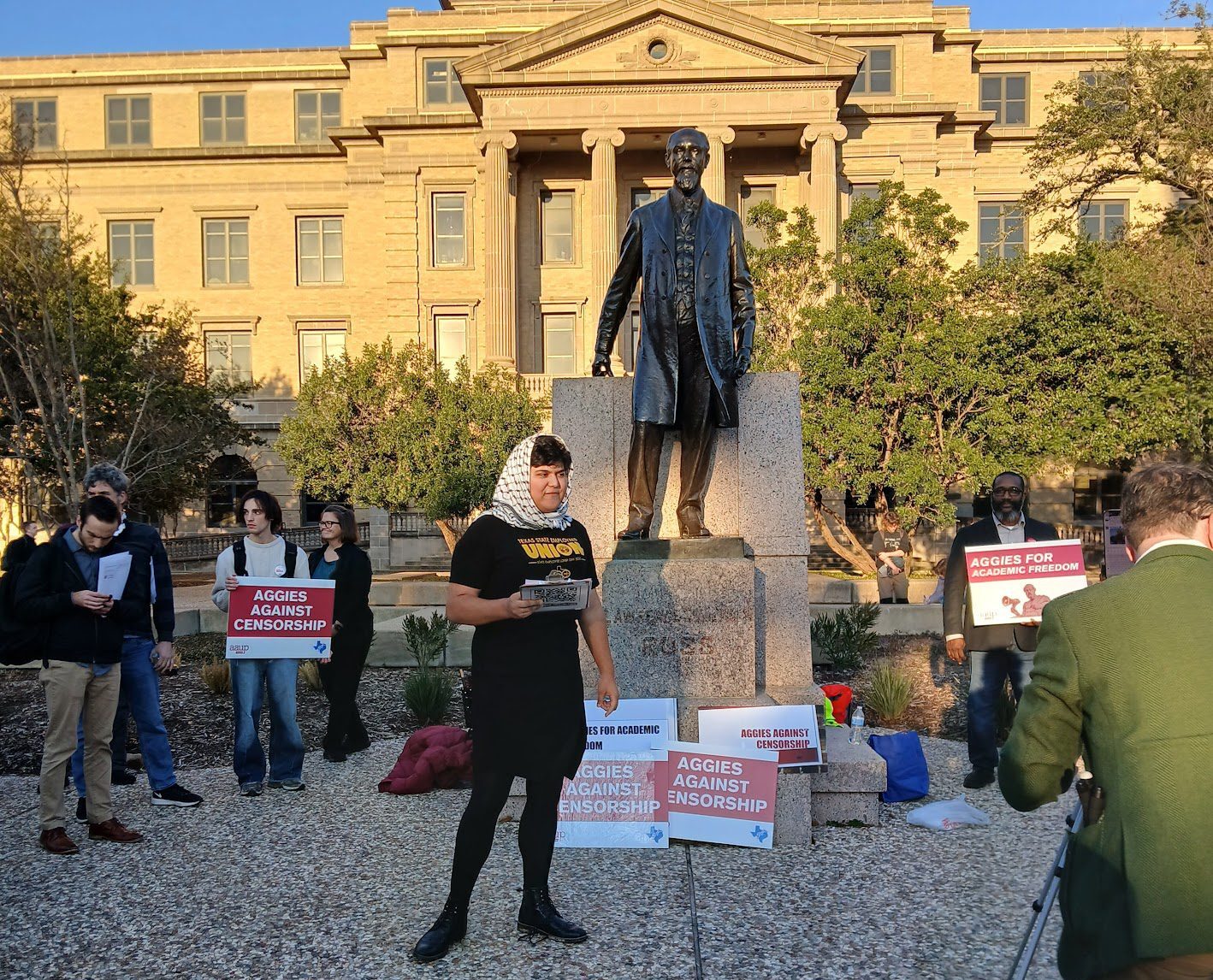
During public comments, several speakers from a rally last week accused the board of violating of “academic freedom” and of “censorship.”
Dr. Leonard Bright, president of the campus chapter of the left-wing faculty trade association AAUP, called the board’s actions a “betrayal.”
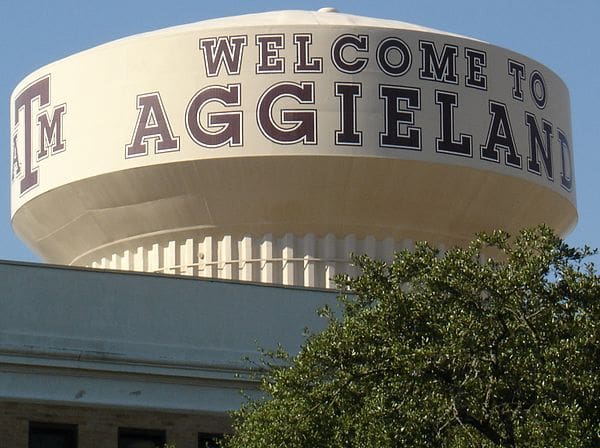
Chair Albritton thanked the speakers for their comments and suggested there were multiple understandings of academic freedom. He also pointed out that recent protests represented a small fraction of Aggieland.
“At the end of the day, we have to act in the interests of a majority of constituents,” Albritton continued. “As a state institution, we are going to listen” to elected officials, he added.
A controversial resolution appointing former State Rep. Glenn Rogers to a veterinary incentive program committee was withdrawn from the consent agenda.
The Texas A&M System consists of 12 academic institutions and eight state agencies. It is overseen by a Board of Regents that is appointed by the governor and confirmed by the Texas Senate.
No ads. No paywalls. No government grants. No corporate masters.
Just real news for real Texans.
Support Texas Scorecard to keep it that way!