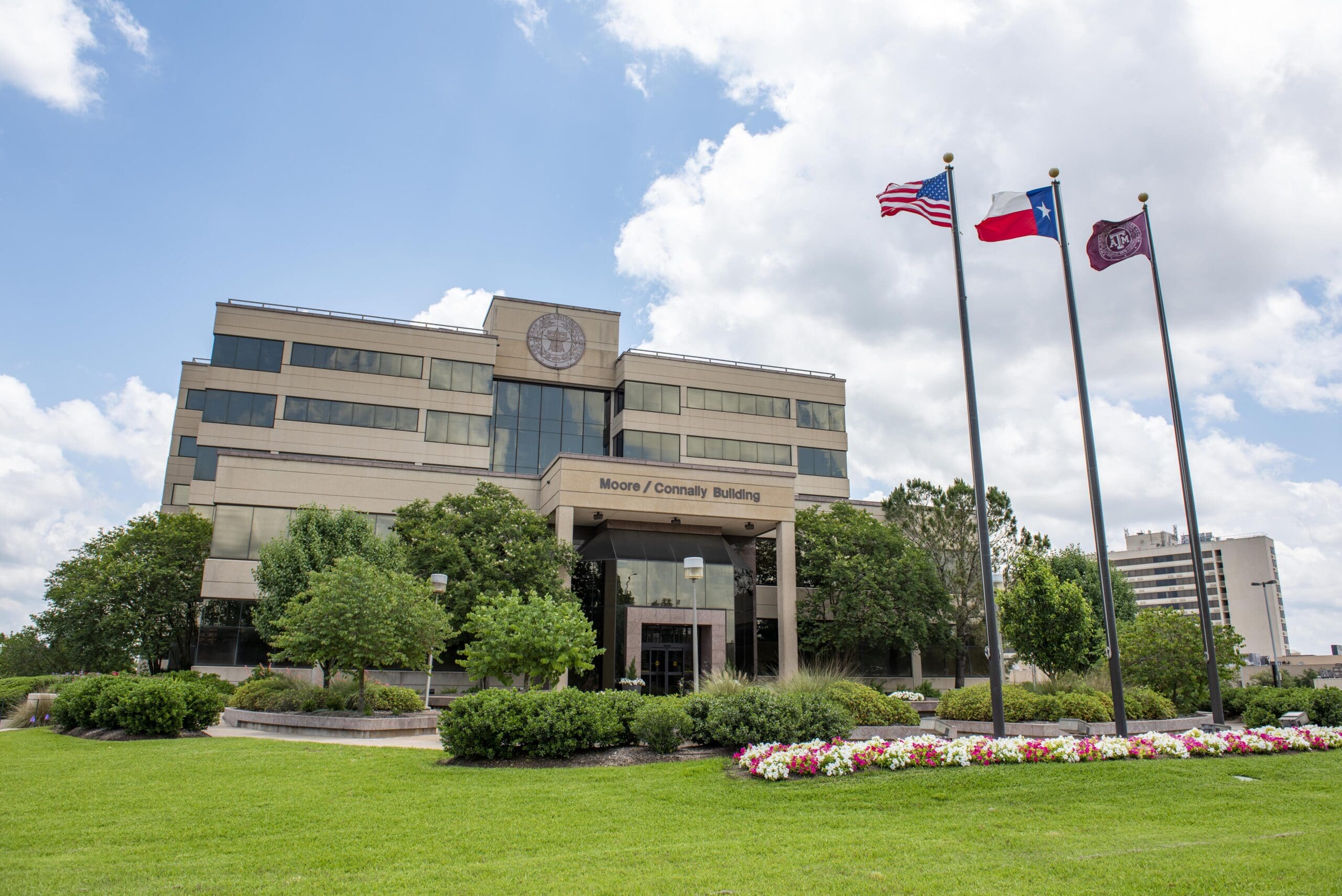
COLLEGE STATION–The regents of the Texas A&M University System approved a revamped core curricula for the system’s component institutions during their quarterly meeting on Thursday.
They removed dozens of courses from institutions across the A&M System, with the majority coming from the College Station campus. The Houston Chronicle reports that regents cut 78 total courses, approximately 30 percent of the previous core.
Most of the removed courses appear ideologically nondescript, although some obviously politicized courses have been removed. Examples include:
- Climate Change
- Feminist Science, Tech, and Medicine
- Introduction to Latinx Literary Studies
- LGBTQ Literatures
- Aesthetics of Activism
- Sociology of Deviance
- Gender and Health
- Multicultural Education
- Diversity in Sports Organizations
- Sociology of Minorities
- Race and Ethnic Relations
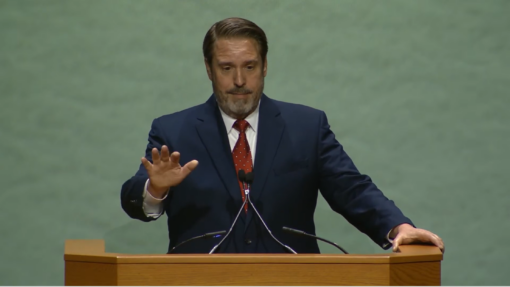
Earlier in the day, Regent Sam Torn told the Committee on Academic and Student Affairs that this revision was a “requisite first step” that makes “some improvement.”
Torn warned the regents, however, that there was “much work to be done in the near future.”
This iterative process will continue “in the coming months.”
The review in question began under Senate Bill 37, a 2025 state law that reformed several aspects of university governance.
As part of those changes, the new laws require governing boards of taxpayer-subsidized university systems to conduct a review of all general education curricula every five years. General education requirements are a set of courses all students must complete, regardless of major.
Higher education authors Jason Brennan and Phil Magness have criticized these mandates as a subsidy for economically unsustainable programs that frequently protect woke curricula from accountability.
The committee also heard a presentation on safety issues related to scooters and personal mobility devices. Multiple regents suggested that they would ban these devices “in the next year” if campus officials failed to appropriately regulate them.
Torn asked TAMU Chief Operations Officer Peter Lange to determine whether regents could require scooter users to wear helmets while on campus.
The regents also approved an extensive consent agenda.
As part of the consent agenda, the regents approved the controversial appointments of Dr. Michael Johnson as vice provost for academic affairs at the system’s College Station campus and Dr. Aimee Shouse as associate provost of curriculum and academic quality at the system’s Victoria campus.
The regents similarly approved the tenure application of Dr. Joseph Cooper, who has an extensive record of racialized pseudoscholarship.
Consent agendas are intended to enable governmental bodies to quickly move through unobjectionable items but are frequently abused to hide controversial measures.
They did not publicly discuss the consent agenda, but Regent Torn stated earlier in the day that the Academic and Student Affairs Committee “reviewed and recommended” these items. In addition, the meeting agenda says that regents discussed the provost appointments behind closed doors on Wednesday.
They also approved the issuance of a series of bonds and commercial paper instruments as part of the finance committee agenda.
Finally, the research committee concluded the day with a briefing from the U.S. Secretary of Agriculture Brooke Rollins on the response to the New World screwworm. Rollins graduated from Texas A&M in 1994. Her son, Luke, is the current head yell leader.
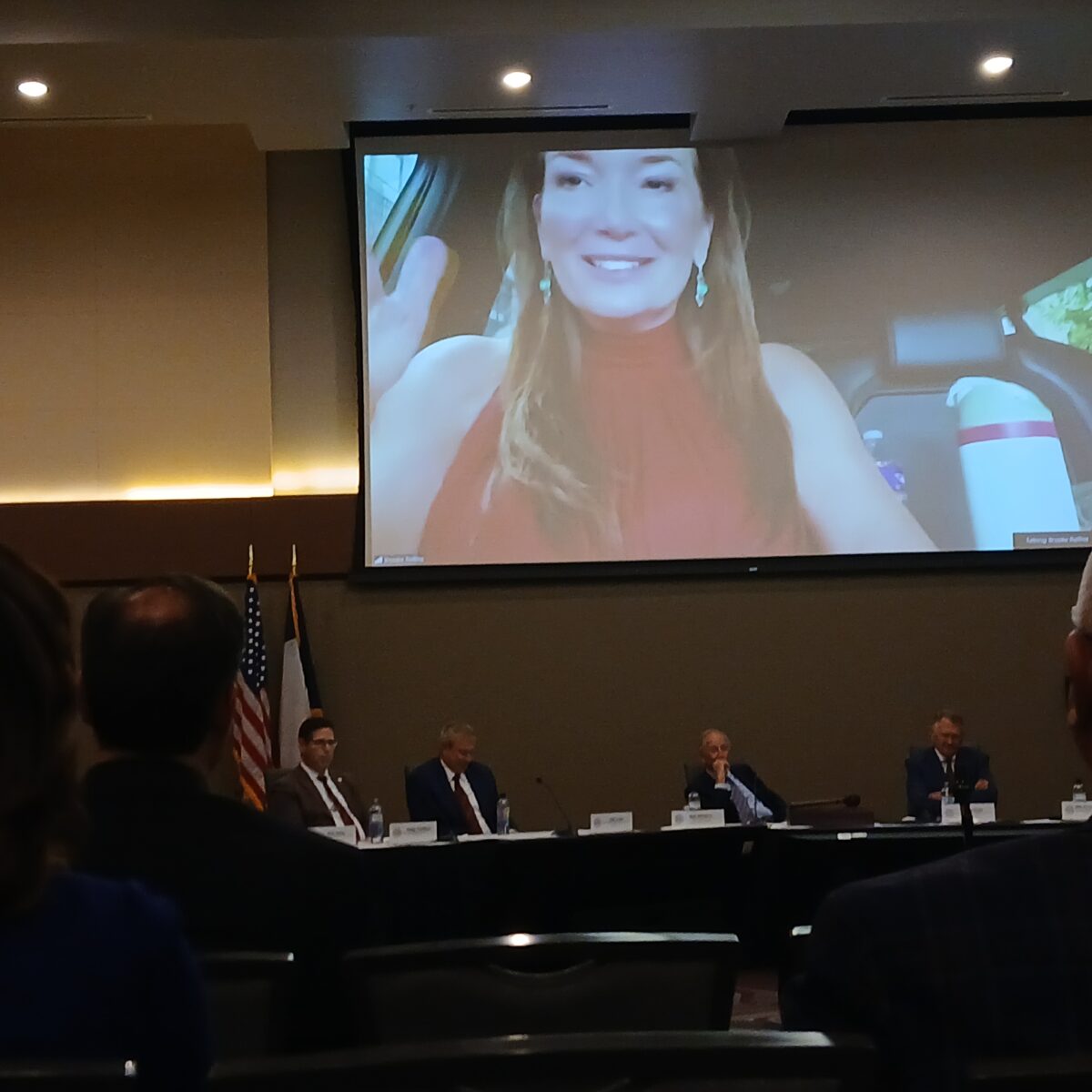
President Donald Trump recently appointed TAMUS Research Committee Chairman John Bellinger as senior advisor for New World Screwworm Preparedness. Rollins praised Bellinger’s “private sector” approach to demanding accountability from the federal bureaucracy.
She stated that “illicit people movement” earlier this decade was a substantial driver in the screwworm’s re-emergence. Rollins also said recent gains in border security allowed the federal government to devote more resources to issues like the screwworm.
Rollins predicted screwworm eradication, “most likely by next summer,” through the use of “sterile flies.”
Rear Admiral Michael Schmoyer, associate USDA administrator, stated that the screwworm is a “pest” and that “it can be managed.”
“It is not a threat to the food supply,” Schmoyer continued.
Schmoyer discussed the use of artificial intelligence and predictive analytics to slow the spread of the screwworm. These efforts delayed screwworm’s emergence in Texas by nearly a year.
He also highlighted efforts to “cut red tape” in the coordination between federal agencies. USDA was able to circumvent a series of federal regulations due to the screwworm emergency.
Schmoyer noted that there had been 47 total cases in Texas, of which only three are currently active. He contrasted this with a previous screwworm outbreak in 1972, when there were over 90,000 cases in Texas.
The Texas A&M University System consists of twelve academic institutions and eight state agencies. The A&M System is overseen by a Board of Regents that is appointed by the governor and confirmed by the Texas Senate. Robert Albritton of Fort Worth is the current board chairman.