One of the more fascinating fights of 2025 was waged over hemp-derived THC in Texas. Ahead of the legislative session, Lt. Gov. Dan Patrick prioritized banning the substance and appeared to have accomplished his aim until a last-minute veto by Gov. Greg Abbott derailed the reset.
Now, as the year ends, there’s a partial crackdown, a divided GOP, and no clear resolution.
Texas’ current THC fight traces back to the Legislature’s 2019 decision to legalize hemp. The weed industry exploited this legislative loophole to sell intoxicating hemp-derived products like delta-8 and delta-9 gummies, drinks, and vapes.
Those products quickly spread to thousands of shops statewide, prompting complaints from law enforcement, prevention groups, and local officials about unregulated edibles and a “shadow” recreational marijuana market.
Similar to the illicit online sale of lottery tickets, the legislative intent of legalizing hemp was not to legalize recreational marijuana. Instead, it was for textile and industrial purposes.
Patrick made banning consumable THC one of his top priorities, rolling out Senate Bill 3 as a sweeping prohibition bill to close the hemp loophole and shut down weed shops.
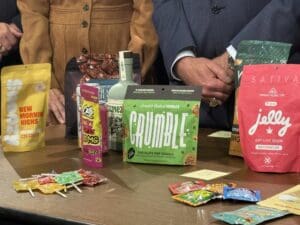
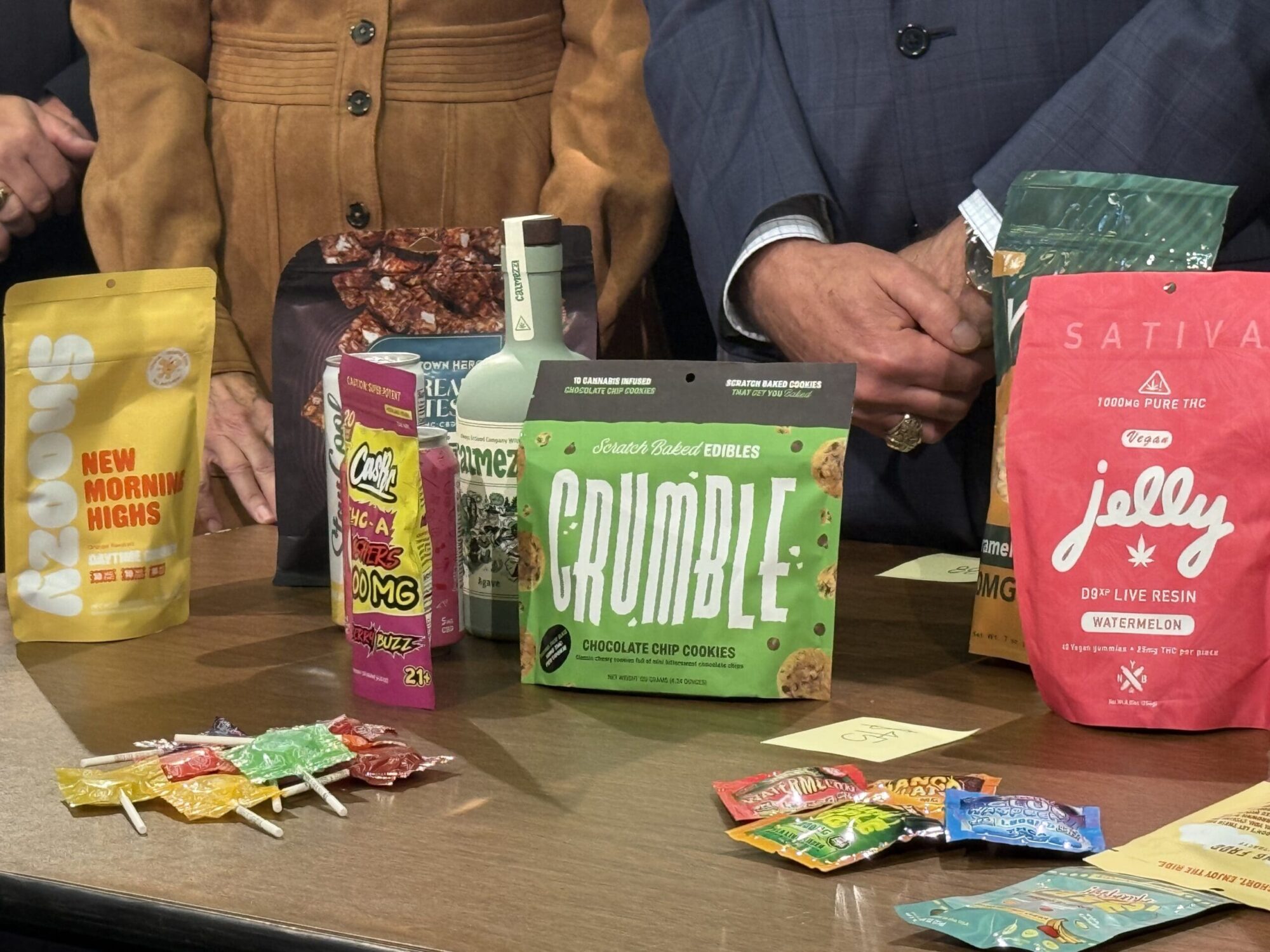
Patrick framed the effort as a “fight to save a generation,” staging news conferences surrounded by THC-infused snacks, accusing retailers of targeting children and using our state to be a drug dealer. He touted bipartisan Senate votes to ban intoxicating THC and claimed overwhelming support from Republican voters and every major law enforcement organization in the state.
During the regular legislative session, Patrick’s measure passed both the Senate and House, despite organized opposition in the latter chamber before heading to the governor’s desk for a signature.
A coalition of drug-prevention groups and the Sheriffs’ Association of Texas urged Gov. Greg Abbott to sign the THC ban, citing sharp increases in pediatric poison-control calls and arguing that SB 3 would give law enforcement clearer authority to crack down on “untested, illicit, and synthetic” products.
On the eve of his deadline to do so, Abbott vetoed SB 3 in a late‑night move, warning that a near‑total ban would likely be “dead on arrival” in court given a similar Arkansas law tied up in litigation.
Abbott’s veto ignited a rare public rift with Patrick, who accused the governor of effectively trying to legalize recreational marijuana and leaving law enforcement and grieving families “abandoned.” Following the veto, Abbott placed THC policy on the summer special session agenda, calling for a regulatory framework modeled more on alcohol than outright prohibition.
After the Senate again advanced a broad ban, but the House declined to act, Abbott issued a September executive order that fell short of Patrick’s demand for total prohibition but imposed new statewide restrictions, including ID checks, a 21‑and‑up sales age, and 1,000‑foot buffers around schools and churches.
Patrick blasted that order as a “state seal of approval” for dangerous drugs, arguing it normalized THC sales instead of ending them.
Texas Scorecard reported this month that Abbott’s office is demanding more than $25,000 to produce a list of individuals who petitioned him about THC in the weeks leading up to his veto of the ban. The unusually high price tag on what should be routine public records prompted a formal cost complaint.
Texas’ THC tumult comes as marijuana policy remains unsettled nationwide.
Twenty-four states and Washington, D.C., now allow recreational use, while voters in places like Florida, North Dakota, and South Dakota recently rejected legalization ballot measures.
Advocates for a Texas THC ban point to those failed measures and new federal court rulings upholding state restrictions as evidence that blanket prohibition can withstand legal scrutiny, undercutting one of Abbott’s main veto arguments.
This isn’t the first time that Patrick has found himself on the vanguard of an issue in flux. In 2016, Patrick publicly advocated against the erasure of women’s privacy in the face of corporate backlash.