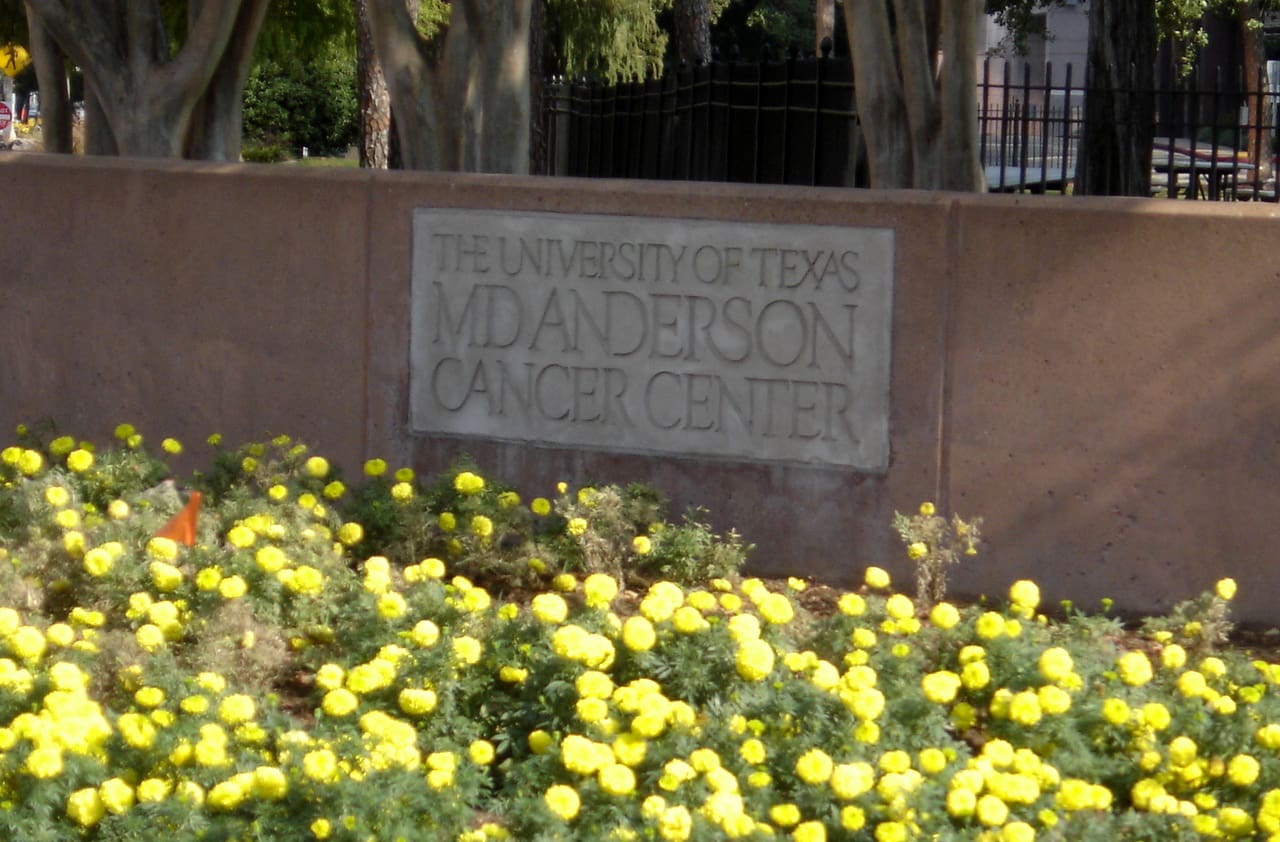
The president of the University of Texas’ MD Anderson Cancer Center will retire at the end of the month.
As first reported by the Houston Chronicle, Dr. Peter Pisters will leave the president’s office on September 30. Pisters has led the institution since 2017. His departure comes amid unprecedented public concern over security leaks at institutions of higher education, including MD Anderson.
Texas Scorecard has previously reported on efforts to infiltrate MD Anderson by entities tied to the Chinese Communist Party. State Rep. Tony Tinderholt (R–Arlington) raised similar concerns during a recent legislative hearing.
The U.S. Office of the Director of National Intelligence highlighted the threats China poses to the United States in its 2026 Annual Threat Assessment.
Local media in Houston have recently reported on other research security lapses. In that case, an employee is alleged to have transferred over three terabytes of biomedical research data to a personal hard drive after having been placed on administrative leave.
That investigation is ongoing.
UT MD Anderson is a component of the University of Texas System. UT System Regents certified system-wide compliance with House Bill 127, a research security law passed in 2025, at their August meeting. Trey Atchley, MD Anderson’s research security officer, recently discussed their security efforts in testimony before the Texas Senate and House.
The UT System is overseen by a Board of Regents that is appointed by the governor and confirmed by the Texas Senate. Kevin Eltife of Tyler is the current board chair.
If you would like to partner with us to promote research security in taxpayer-subsidized higher education, please email scorecardtips@protonmail.com.