Recent polling shows Texans are concerned about the effects of data centers on water, electricity, and local communities. Opinions also varied greatly on whether data centers were a necessary part of Texas growth.
Conducted by Pulse Decision Science for the Texas Public Policy Foundation, the June survey of 800 registered voters in Texas ranked their agreement with four statements regarding data centers.
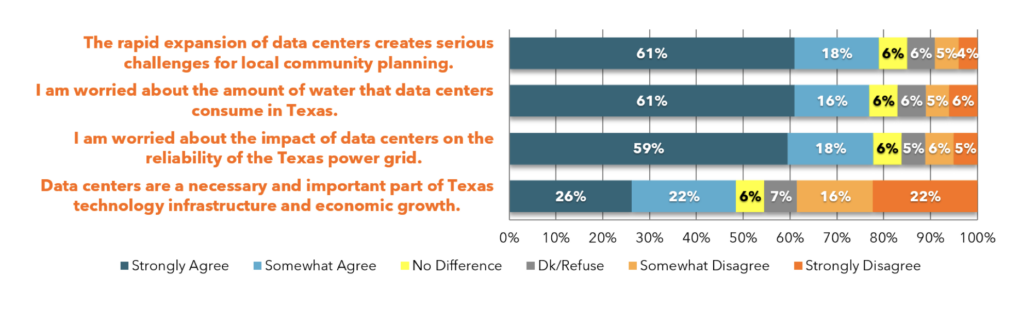
Over 60 percent of participants strongly agreed that “the rapid expansion of data centers creates serious challenges for local community planning.” Almost 20 percent “somewhat agreed,” while just 9 percent somewhat or strongly disagreed with the statement.
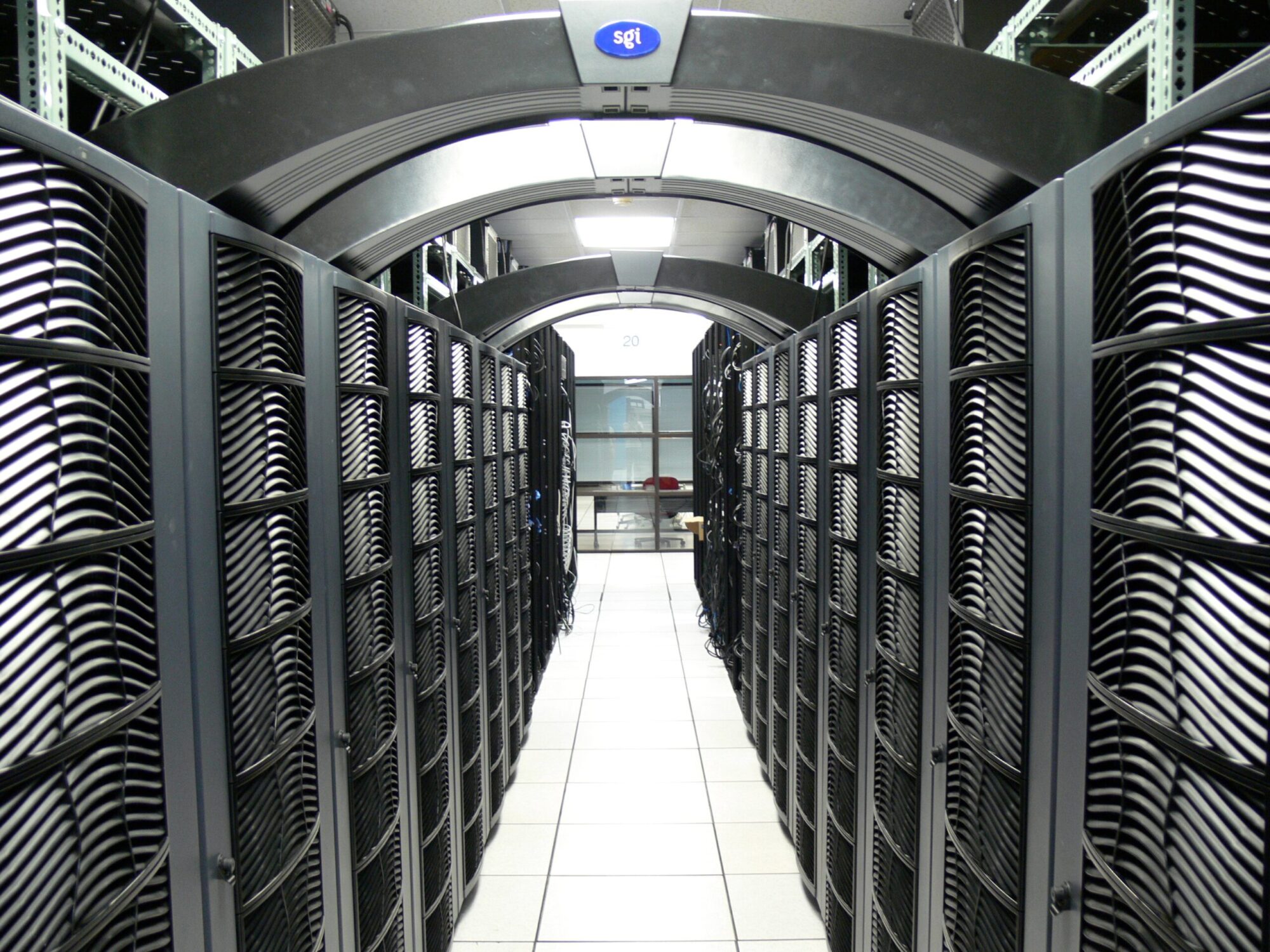
Data centers have been criticized for reducing the quality of life for nearby residents due to noise and air pollution, land competition, and other factors. In 2024, the average data center site covered land equivalent to roughly 450 football fields.
In addition to community impact concerns, the Pulse poll showed that roughly 60 percent of participants strongly agreed that they were “worried about the amount of water that data centers consume in Texas.” About the same amount strongly agreed to being “worried about the impact of data centers on the reliability of the Texas power grid.”
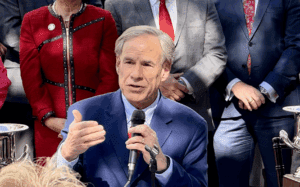
Gov. Greg Abbott has recently directed state regulators to ensure Texans are not stuck paying for expensive grid upgrades tied to the rapid expansion of data centers. He also stated that data centers should not be built in rural Texas neighborhoods, calling for new limits on data center development in rural communities and directing regulators to ensure such projects pay for their own power, infrastructure, and water and do not raise residential electric bills.
Reports have shown that mid-sized data facilities can use up to 300,000 gallons of water every day. Recent projects estimated that AI-related centers could require up to 32 billion gallons of water annually by 2028—about the same as the indoor water usage of 360,000 households.
However, Texans are significantly divided on whether or not these sacrifices may be necessary.
Roughly equal numbers of participants strongly agreed, somewhat agreed, somewhat disagreed, or strongly disagreed that “data centers are a necessary and important part of Texas technology infrastructure and economic growth,” with more agreeing (48 percent) than disagreeing (38 percent) and the rest unsure or neutral.
These sentiments are reflected by calls for temporary moratoriums on data centers by conservative and liberal elected officials alike. U.S. Sen. Bernie Sanders (D–VT) introduced a bill to pause AI data centers in March and Texas Agriculture Commissioner Sid Miller called for a moratorium in May.
Some Texans are calling for a special legislative session to address data center regulations.