A national security expert has warned that Texas’ critical infrastructure is vulnerable to natural disasters and attacks, and is urging state leaders to take action.
Chuck DeVore, an expert in national security issues for the Texas Public Policy Foundation, has pointed out current vulnerabilities in state infrastructure and what officials can do to help mitigate the risks.
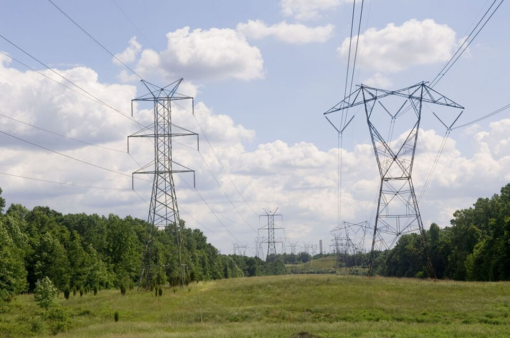
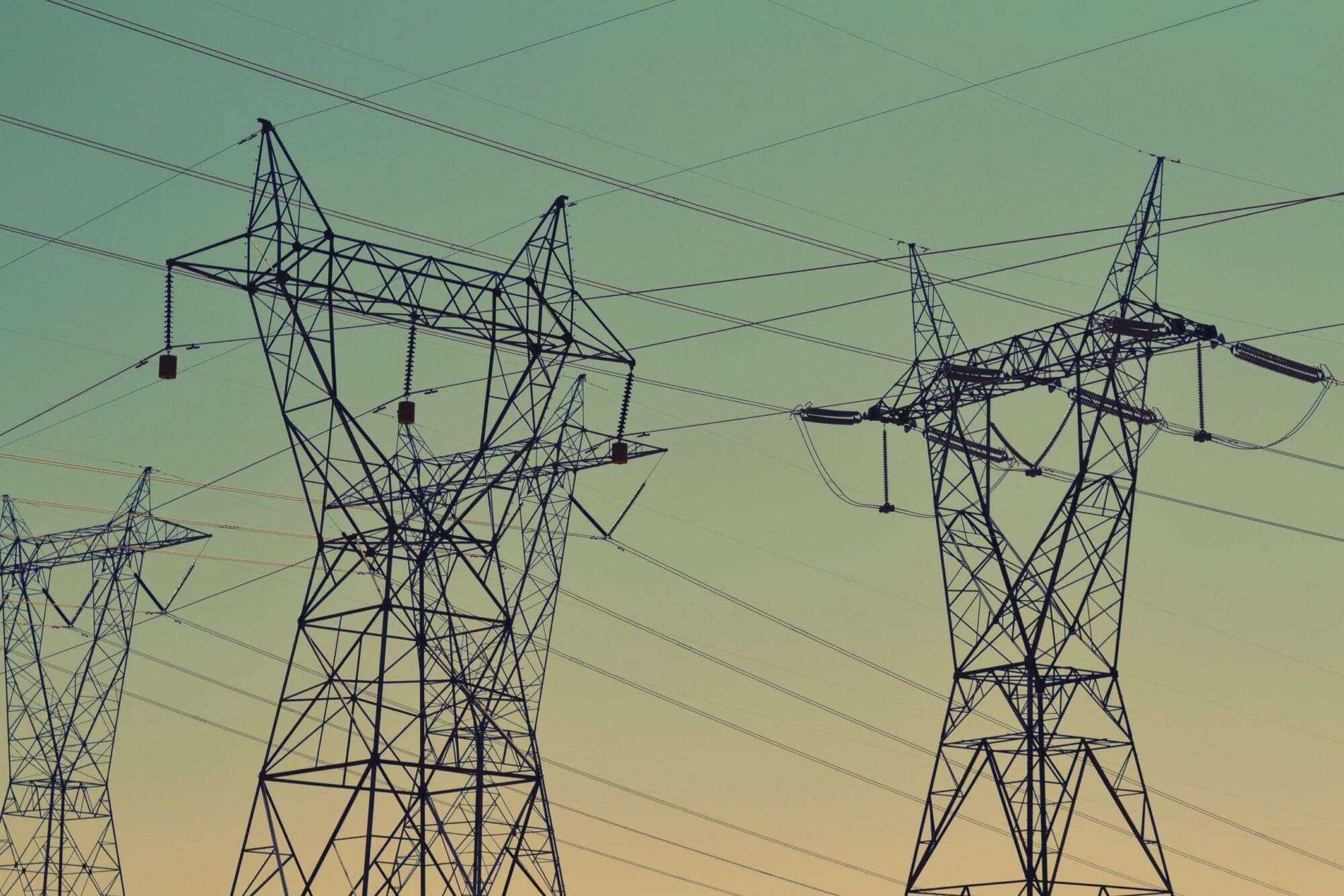
DeVore noted that the term “critical infrastructure” does not solely encompass the electric grid and transportation networks, but also includes energy production facilities, refining facilities, water and wastewater systems, food production and distribution, ports, communications, and financial centers. He argues that all of these systems are vulnerable to natural disasters and attacks.
“Texas cannot prevent every cyberattack, terrorist plot, or hostile-state action, and certainly cannot prevent hurricanes and winter storms, but we can ensure that no single event can produce catastrophic failure resulting in mass casualties,” wrote DeVore. “Texas needs to advance a state-level critical infrastructure resilience strategy built around preventing attacks where possible, hardening assets, and restoring essential systems rapidly when prevention falls short.”
Although the federal government has “primary responsibility for many of these threats,” DeVore argued that Texas should also be prepared to confront them if they ever arise.
Citing Texas’ “outsized importance to national security,” DeVore argued that the state must prepare for a nationwide emergency in which, he warned, FEMA would be unable to come to its aid.
DeVore has separated the threats into three categories: natural disasters, war, and terrorism.
Natural disasters discussed in the paper include hurricanes, winter storms, and extreme solar storms. DeVore wrote that severe solar storms could damage high-voltage transformers, citing a report identifying elevated risks along the Gulf Coast because of the region’s proximity to the Gulf of America, grid configuration, and ground conductivity.
DeVore identified a potential conflict with China over Taiwan as a major wartime threat to infrastructure. He warned that China could launch cyberattacks or physical sabotage against U.S. systems to deter or delay American intervention, potentially including attacks using weaponized drones.
According to DeVore, Texas has begun preparing for these threats, noting Gov. Greg Abbott’s 2024 executive order “directing vulnerability assessments, cyber response simulations, and grid restart planning” and the passage of Senate Bill 2312, creating the Texas Advisory Committee on Geopolitical Conflict.
However, DeVore argued that those measures do not fund recovery equipment, such as spare high-voltage transformers, or provide the full-scale field exercises needed to test the state’s response.
Lastly, DeVore suggests that terrorist threats could include lone-actor attacks inspired by terrorist organizations, such as the 2009 Fort Hood shooting, and “cyberattacks or physical sabotage against soft targets in infrastructure sectors, including water systems and energy facilities.”
“Heightened threat environments tied to overseas conflicts can increase lone-wolf mobilization or low-level cyber activity by sympathizers,” added DeVore. “Access to artificial intelligence may enable more sophisticated attacks using biological or chemical agents or targeting key infrastructure nodes.”
To mitigate the threat, DeVore wrote that Texas should “adopt a strategy of prevention via surveillance, intelligence, and enhanced law enforcement response,” harden both its physical and cyber infrastructure, and strengthen resilience and rapid-recovery capabilities.
DeVore provided several “practical actions” that he suggests state lawmakers take, including strengthening the penal code to help discourage attacks on infrastructure, funding and executing the findings from Abbott’s 2024 directive, and establishing funding for “strategic reserves” under the oversight of the Texas Division of Emergency Management.
“By prioritizing prevention, hardening, and recovery, Texas can significantly reduce the probability and subsequent consequences of catastrophic infrastructure failures, safeguarding its people and economy regardless of the threat vector,” wrote DeVore.
The full research paper can be found here.