U.S. Rep. Keith Self has unveiled legislation that would require federal law enforcement to obtain official warrants before accessing or querying data collected by state and local systems, including automated license plate readers.
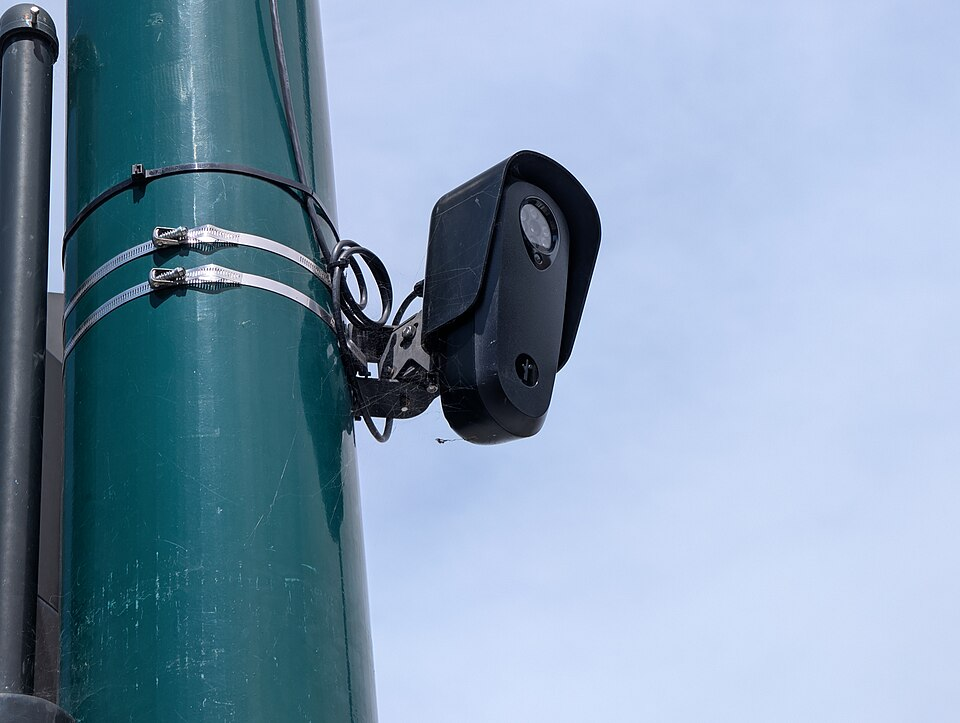
The Protecting Rights in Video and Equipment Acquired Discovery (PRIVACY) Act seeks to close a loophole that allows government officials to access surveillance databases collected by companies like Flock without a search warrant. Critics of ALPRs often point out that not requiring a warrant to access data can lead to the misuse of official resources and violations of citizens’ Fourth Amendment rights.
“Americans’ Fourth Amendment right to be secure in their privacy does not disappear just because of new technology or artificial intelligence,” said Self (R–McKinney). “Americans have a constitutional right to be secure in their persons, houses, papers, and effects, and our government is supposed to get a warrant before invading that privacy. This bill simply restores that protection. Get a warrant.”
The PRIVACY Act also seeks to create a list of intrusive technologies and require law enforcement agencies to obtain a warrant before accessing them, limit possession of the data to 30 days unless the data constitutes evidence in a prosecution, and prohibit the use of federal funds to fund, purchase, or install any of the listed technologies.
U.S. Reps. Eli Crane (R–AZ) and Andrew Clyde (R–GA) are cosponsoring the bill.
“For decades, Americans’ Fourth Amendment rights have been desecrated as government entities adopt increasingly intrusive surveillance technologies. State and local systems now collect vast amounts of data, and federal agencies use that information to bypass warrant requirements and core privacy protections,” said Crane. “To counter these Orwellian tendencies, I’m proud to join Representative Self as an original cosponsor of the PRIVACY Act. This legislation closes these loopholes, limits retention of unrelated data, and restores the constitutional protections owed to every American.”
According to Self’s office, more than 120,000 ALPR cameras have been installed in 49 states, which track American citizens over 1 billion times per day.
The average citizen then has their car surveilled several times a day, allowing AI systems to establish their habits and track their movements without a warrant.
While the Fourth Amendment has been a contested topic for years, emerging technologies currently upset the fragile balance. In Carpenter v. United States, the Supreme Court ruled in 2018 that law enforcement agencies cannot track an individual’s movement for the sole reason that they may want it later.
Many local governments and the Texas Department of Public Safety currently use Flock cameras in Texas.