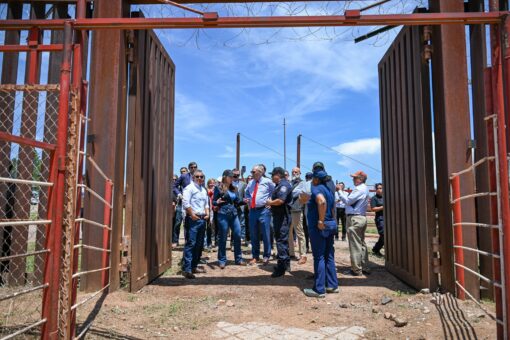
U.S. Secretary of Agriculture Brooke Rollins and Customs and Border Protection Commissioner Rodney Scott visited McAllen on Monday to review the implementation of new technology to combat New World screwworm.
This is a parasitic fly whose females lay eggs in open wounds or body openings of warm-blooded animals. Once hatched, the larvae burrow into and feed on living tissue.
“Sec. Rollins is reviewing the technology supporting one of the most extensive animal-health surveillance operations in the country,” the New World Screwworm Rapid Response team detailed on X.
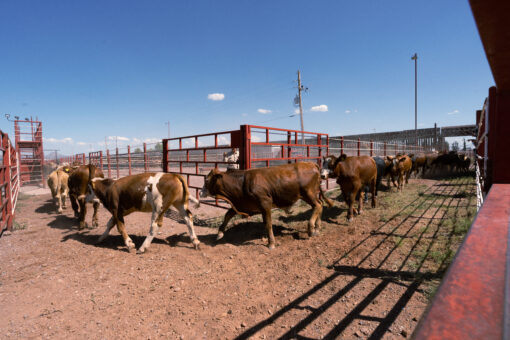
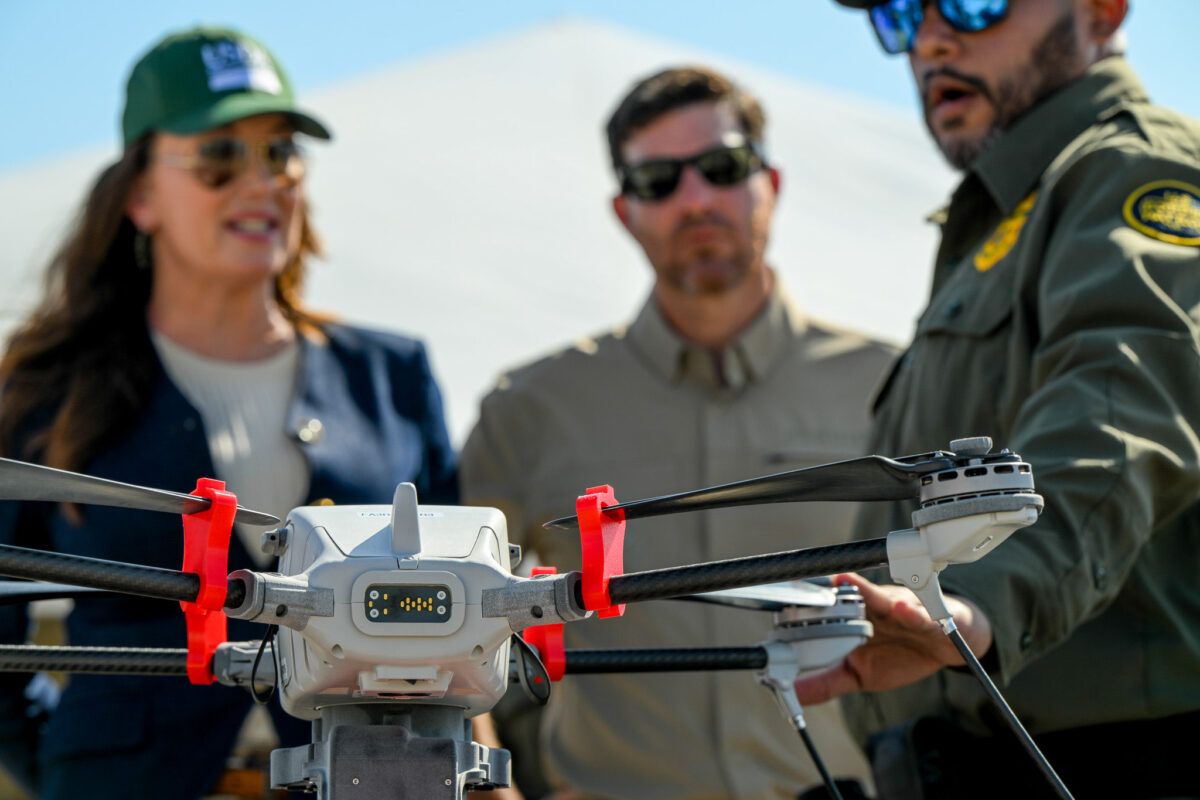
USDA has partnered with CBP to use aerial assets to survey livestock for signs of New World screwworm. The Department of Agriculture now has access to 200 drones, which have conducted more than 1,000 flights and surveyed 22,000 animals for signs of infection. Animals flagged as potential risks receive follow-up inspections for signs of infestation. USDA also has access to more than 100 trail cameras, has made more than 26,000 wildlife observations, and has deployed more than 8,000 insect traps.
“Today’s new agreement means greater coordination, better information sharing, and more advanced drone surveillance along our southern border. All to detect threats sooner and better protect American livestock,” wrote Rollins on X regarding the new partnership with DHS.
Rollins also announced that USDA is cracking down on illicit livestock movements to help prevent the parasite’s spread.
“Our plan strengthens frontline defenses, expands accountability in Mexico and Central America, and improves coordination with federal, state, and Tribal enforcement partners,” she wrote.
According to the USDA, a sterile fly manufacturing facility at Moore Air Base will open seven months early in spring 2027 and produce 300 million sterile flies per week by the end of 2028. Sterile flies are male screwworms exposed to radiation as pupae, rendering them unable to reproduce. Since female screwworms only mate once in their lives, sterile flies help curve the population over time.
Additionally, the USDA announced it will resume livestock imports from Mexico through Arizona beginning on August 24. New screening measures have been placed on imported livestock, including efforts to treat and decontaminate the animal prior to its entry into the country.
“Every legally imported animal from Mexico undergoes multiple layers of screening and treatment before entering the United States. If an infestation is detected at any stage, all entry is halted until the facility is fully disinfected,” said Rollins.