A state representative has accused the Electric Reliability Council of Texas of financial malfeasance in its dealings with the ongoing 765-kV transmission line projects and asked the U.S. Secretary of Agriculture to intervene.
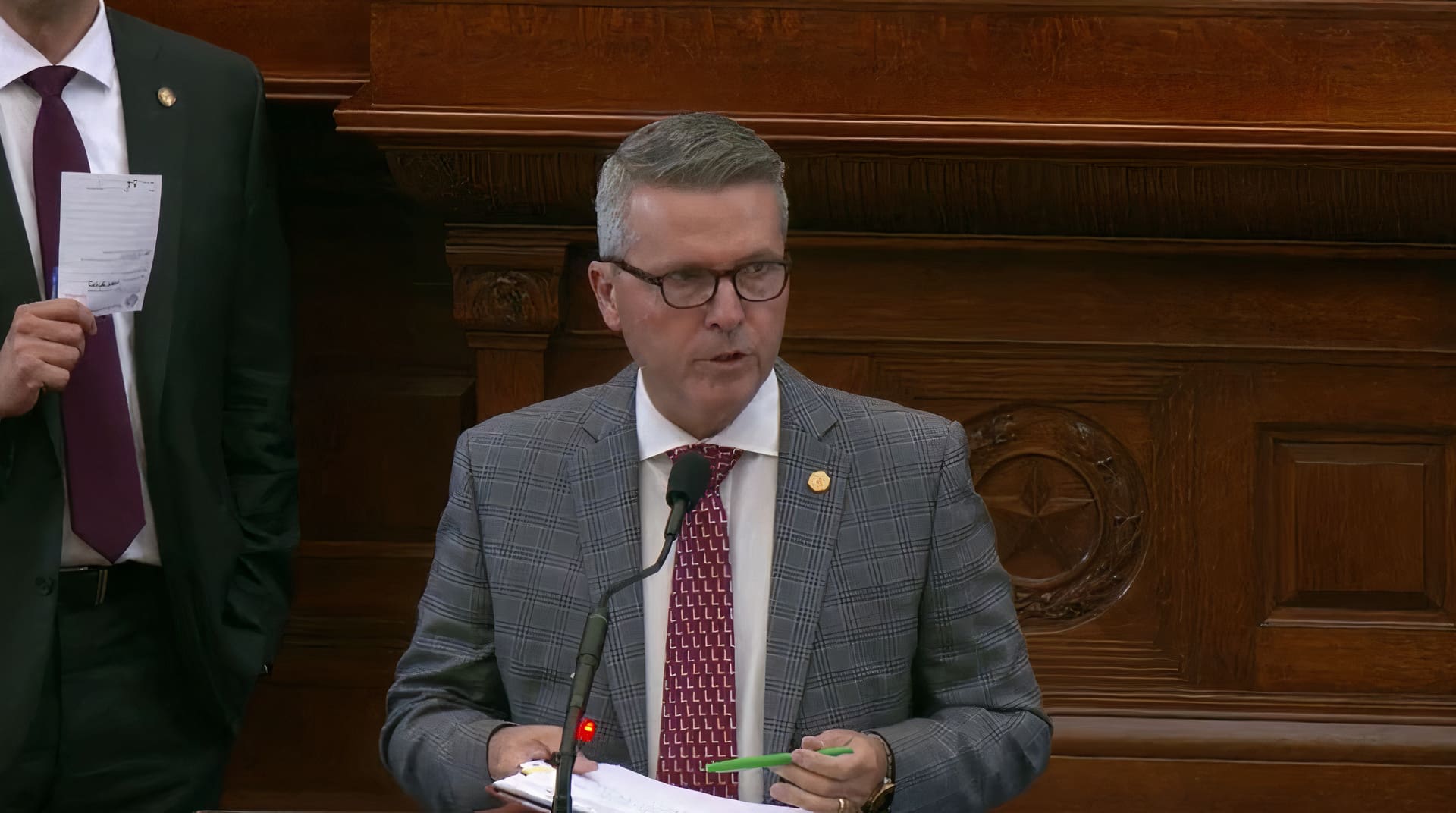
State Rep. Brad Buckley (R–Salado) asked Secretary of Agriculture Brooke Rollins to oppose the projects in a post to X Wednesday, calling them “the Green New Deal’s best friend.”
His request was made in response to a post from Rollins addressing a recent siting permit upset that stopped production of a major solar project in upstate New York.
Rollins called it a win for local residents, stating that the U.S. Department of Agriculture will “continue standing with American farmers, protecting the land that feeds our nation, and ensuring rural communities have a voice when their future is on the line.”
“America should never be forced to sacrifice its most productive farmland to satisfy a radical energy agenda,” wrote Rollins.
Buckley responded to Rollins by lambasting the 765-kV transmission projects in Texas, writing that the projects “will further our dependence on unreliable wind and solar generation.”
This is about the 765-kV Strategic Transmission Expansion Plan (STEP), a key part of the Permian Basin Reliability Plan (PBRP). It currently has two stages. Stage one consists of the three STEP-Permian transmission lines spanning more than 1,200 miles to move power from East Texas to the natural gas-rich Permian Basin.
The next stage consists of the more than $9 billion STEP Western and STEP Eastern lines that together span roughly 1,200 miles.
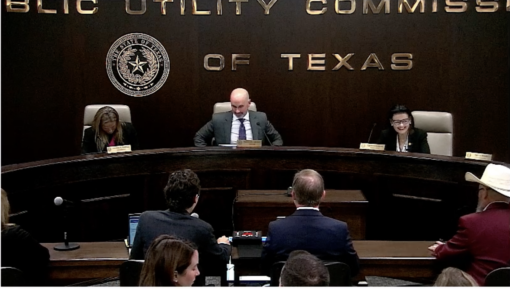
PUCT has approved the southern and northern STEP-Permian lines, while the central line remains under consideration.
“ERCOT cooked the books to make it so, tried to make Pablo the $6M man, [Public Utility Commission of Texas] rubber stamps the deal and hard-working Texans pay the bill,” wrote Buckley.
Buckley was referencing a recent decision by ERCOT to grant a roughly $6 million contract extension to ERCOT CEO Pablo Vegas. The decision was reversed after Lt. Gov. Dan Patrick pushed back, writing that “this is not the time to give the CEO of ERCOT a multi-million-dollar pay raise on the backs of ratepayers.”
Buckley is not the first to criticize the connection between the transmission line project and unreliable energy dependence.
State Sen. Kevin Sparks (R–Midland) expressed concern in late July that wind and solar would flood the new 765-kV lines. The concern is backed by an analysis from Brent Bennett of the Texas Public Policy Foundation.
“In the absence of market reform that would better value reliability and stop overpaying wind and solar, the 765-kV [Strategic Transmission Expansion Plan] will primarily be used to move wind and solar around the state, responding to the huge temporal and geographic swings in their output,” Bennett told Texas Scorecard.
Private landowners have also recently filed a forensic audit request with PUCT to examine ERCOT’s dealings with the transmission projects, specifically comparing ERCOT’s 2024 Permian Basin model with its Regional Transmission Plan.
“We’re not accusing ERCOT of ‘cooking the books,’” one landowner said. “We’re saying the difference in the models [is] too significant, and they must be investigated.”
Buckley asked Rollins to oppose the project and “call for a pause until the people’s representatives take this up in the 90th [legislative session].”
Texas’ next legislative session is scheduled to begin on January 12.
ERCOT has not responded to a request for comment.